Show sponsored by

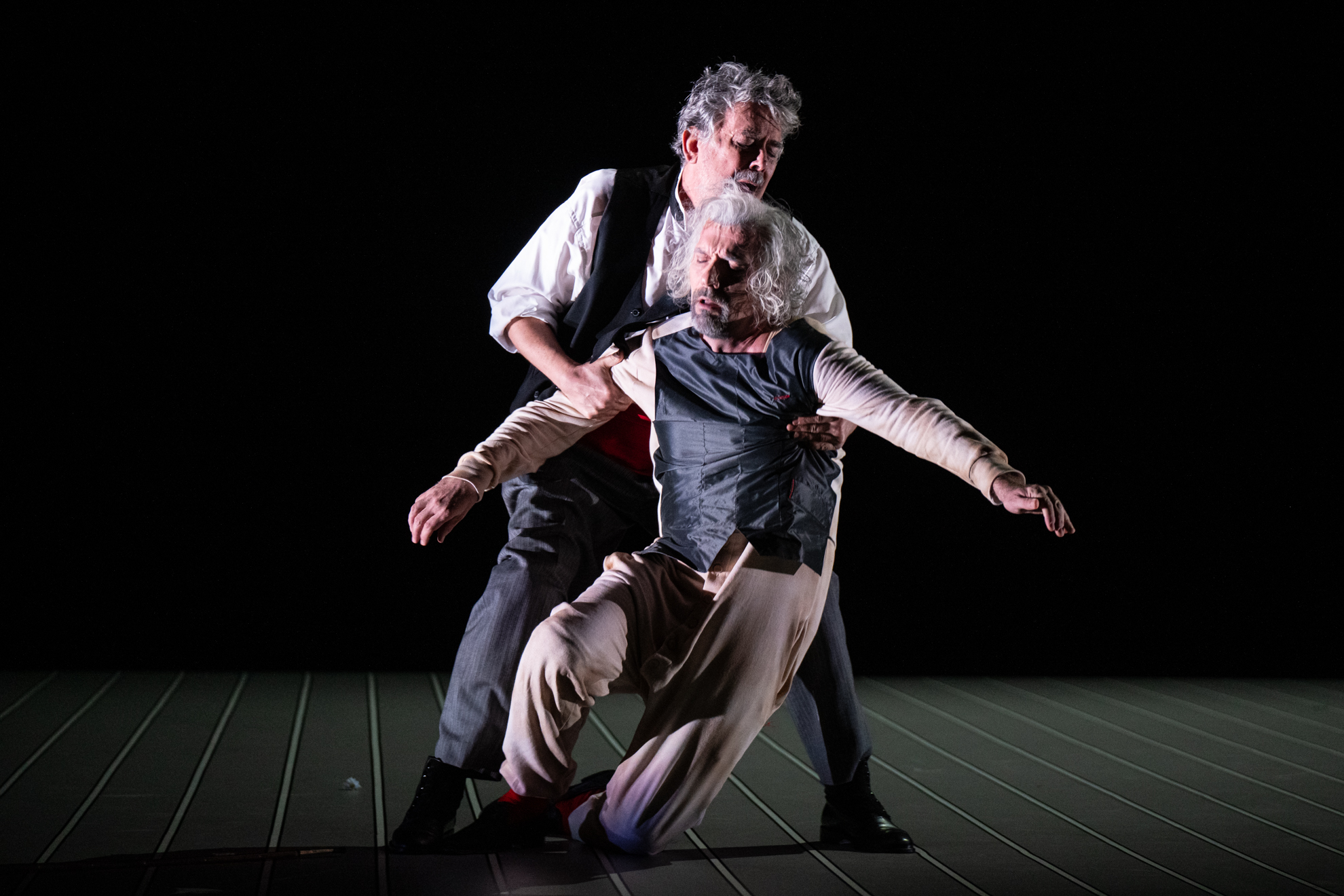
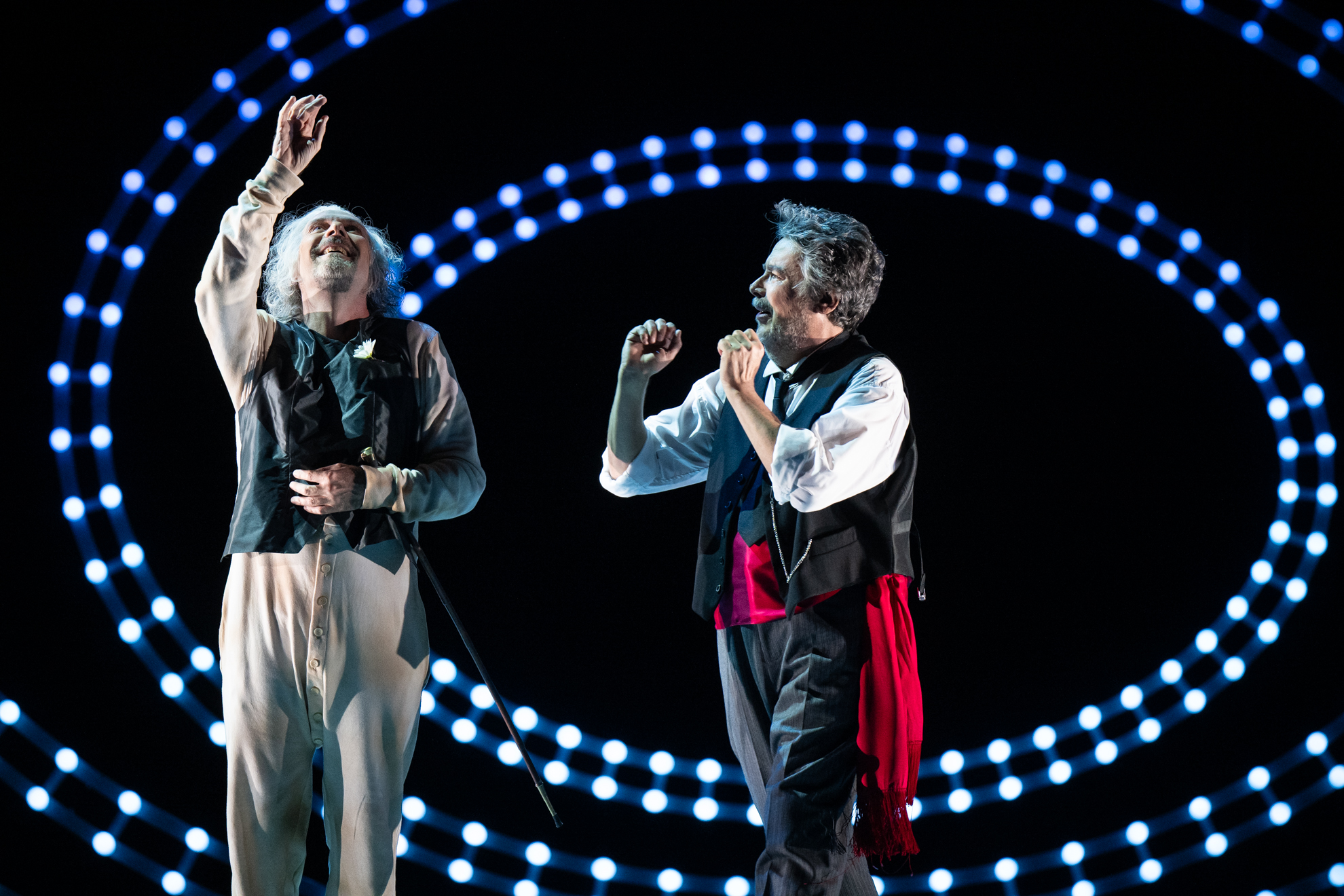
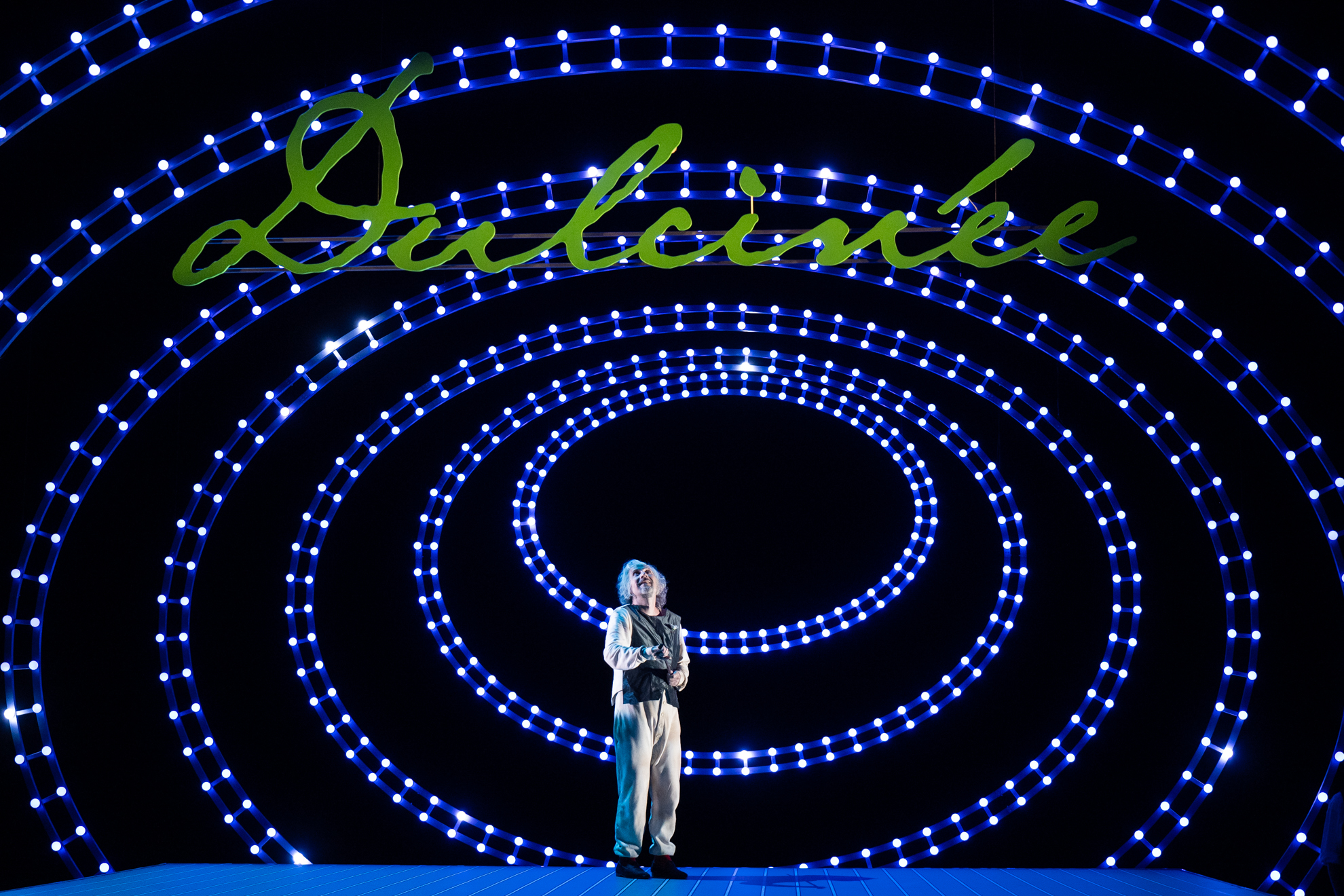
the chivalrous Don Quixote dies defeated as a hero of love, his eyes raised to the sky of his dreams, staring at the constellation of his Dulcinea! A universal myth, this endearing and extraordinarily inspiring character comes to us from the pen of Cervantes, whose novel published in 1605 is one of the most widely translated in the world. Jules Massenet brought his version to the Monte-Carlo Opera in 1910: a heroic comedy in which the great bass singer Fiodor Chaliapin triumphed in the title role.
A mature work by the composer, Don Quixote belongs to the series of operas that Massenet drew from literary works, such as Manon and Werther. Based on the play Le Chevalier à la triste figure (The Knight of the Sad Countenance) by Jacques Le Lorrain, it recounts the adventures of the unforgettable pair formed by the knight errant and his servant Sancho Panza; the necklace stolen from the beautiful Dulcinea; as well as tales of Spain, brigands and windmills… At the heart of this Spanish love story, Massenet offers us a grand meditation on love (Don Quixote’s serenade, his duet with Dulcinea, the hero’s death) tinged with melancholy. The great melodist’s flowing, refined score creates shimmering lyrical passages throughout this moving journey to the land of beautiful song, an elegy as much as a eulogy of the imagination.
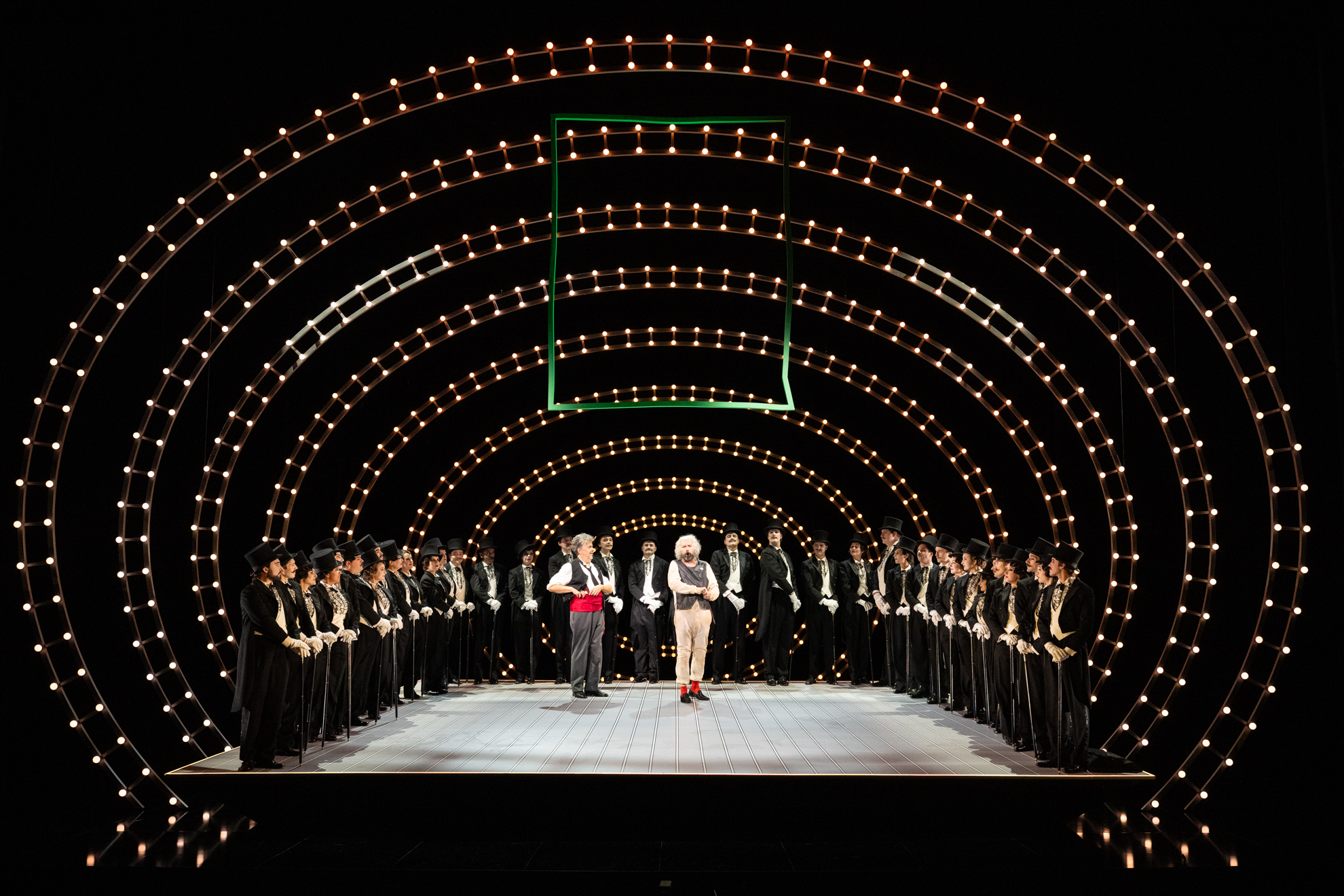
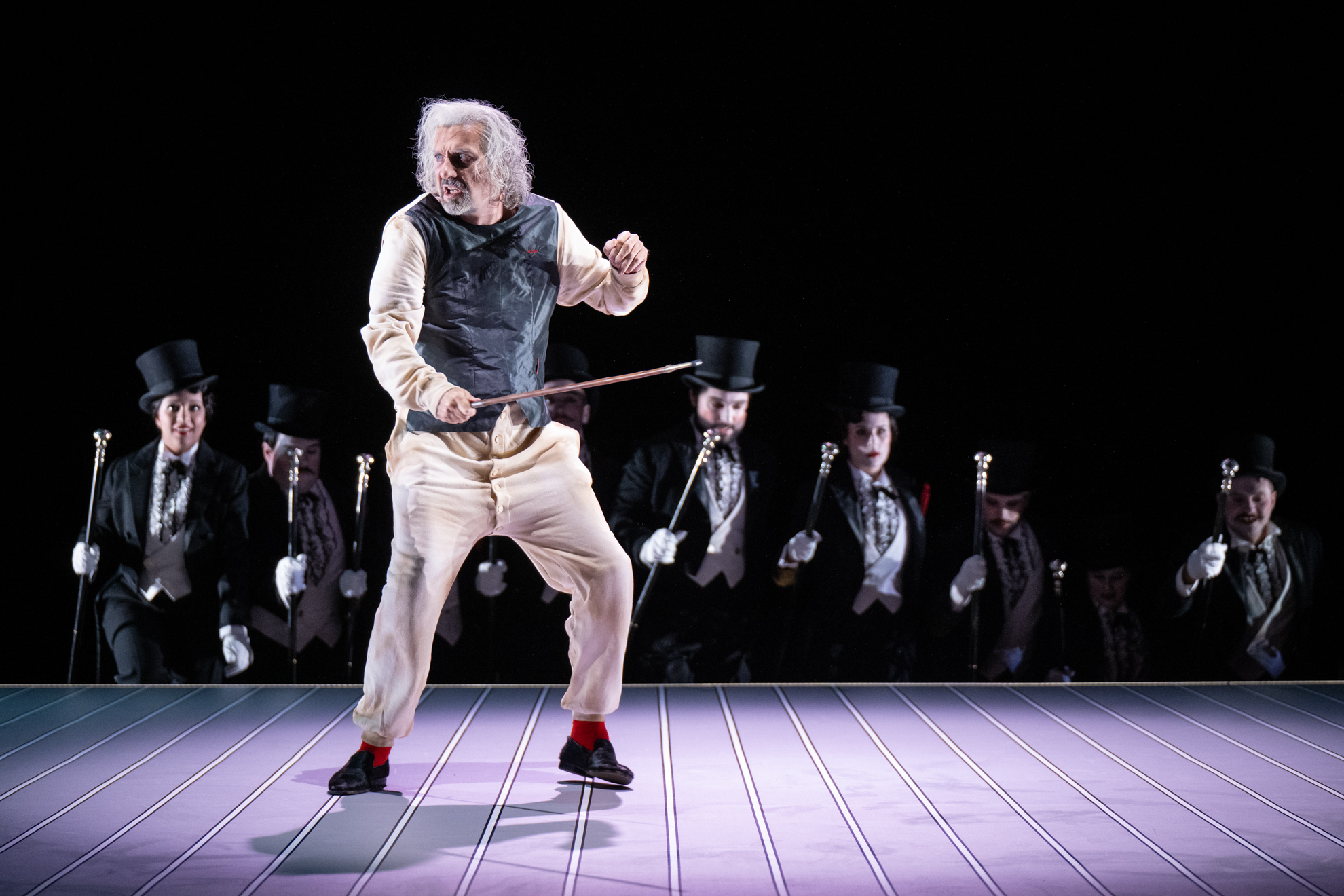
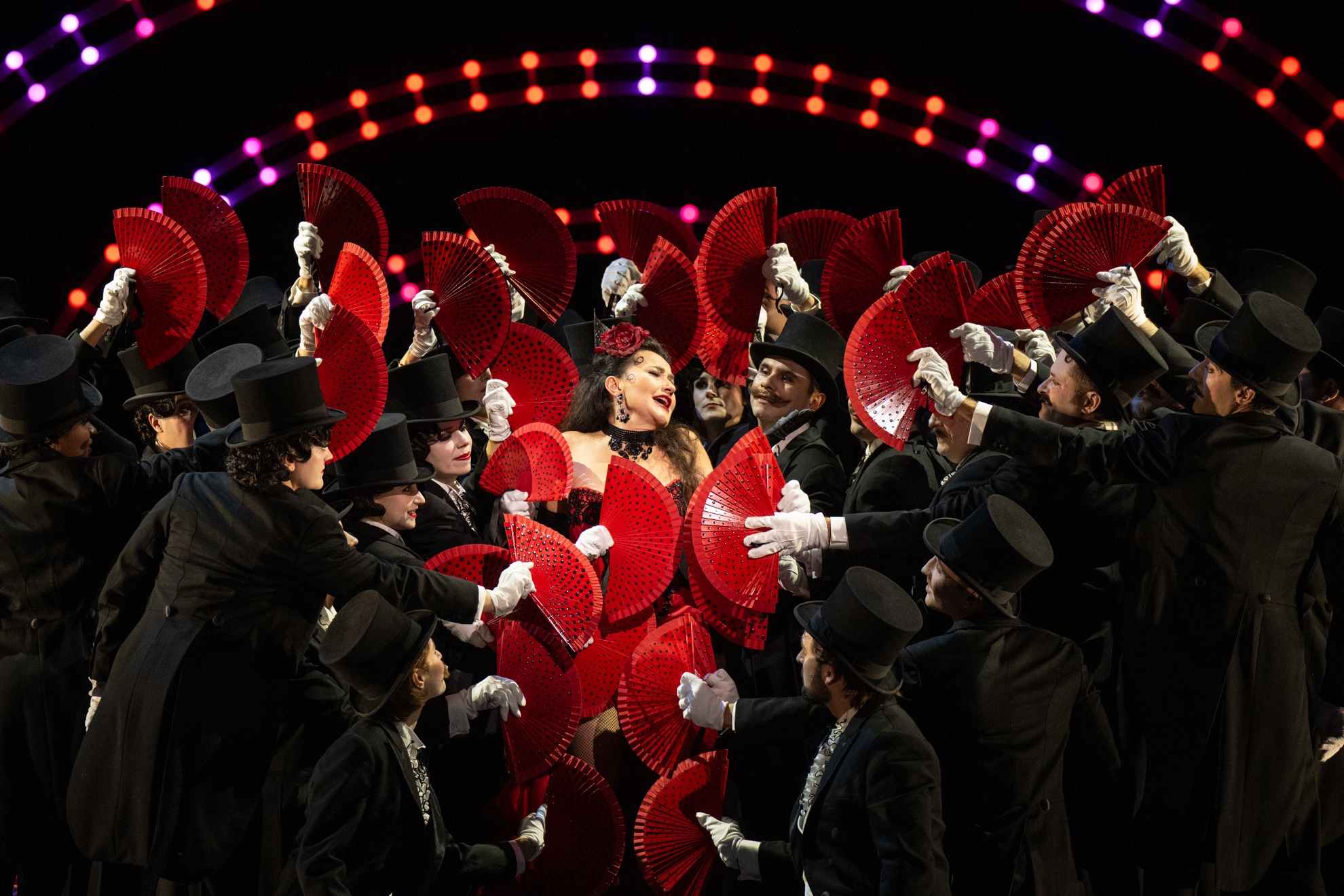
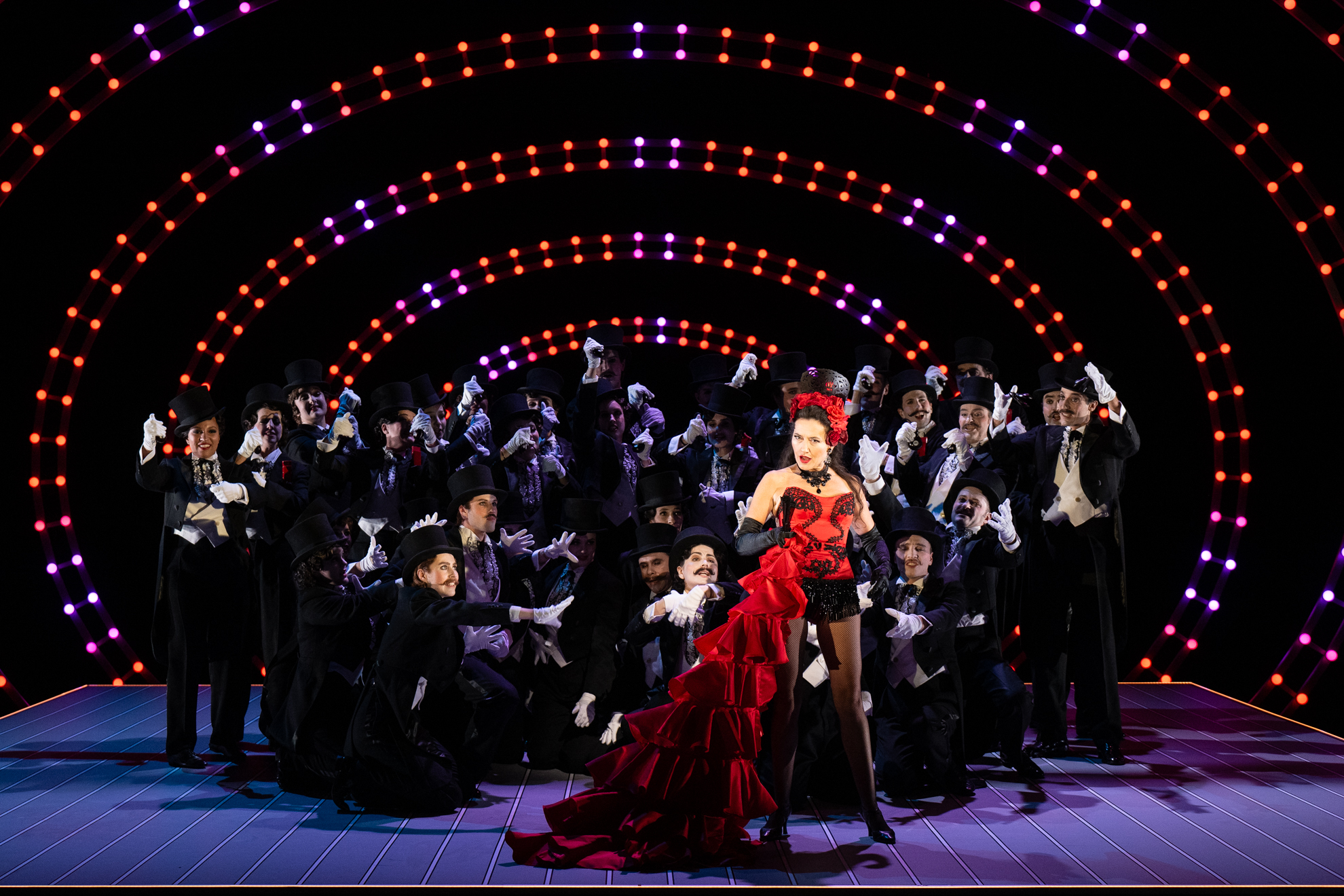
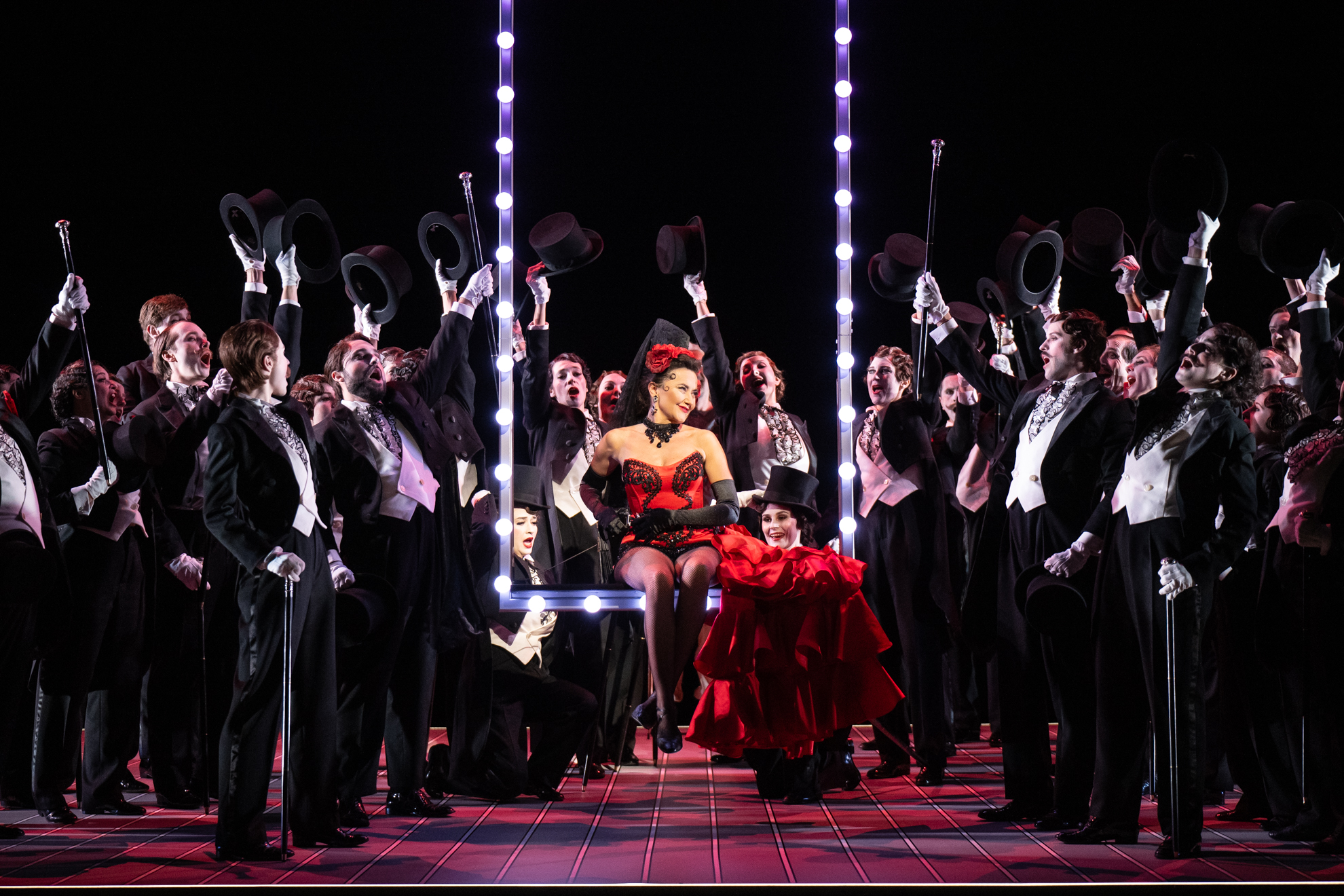
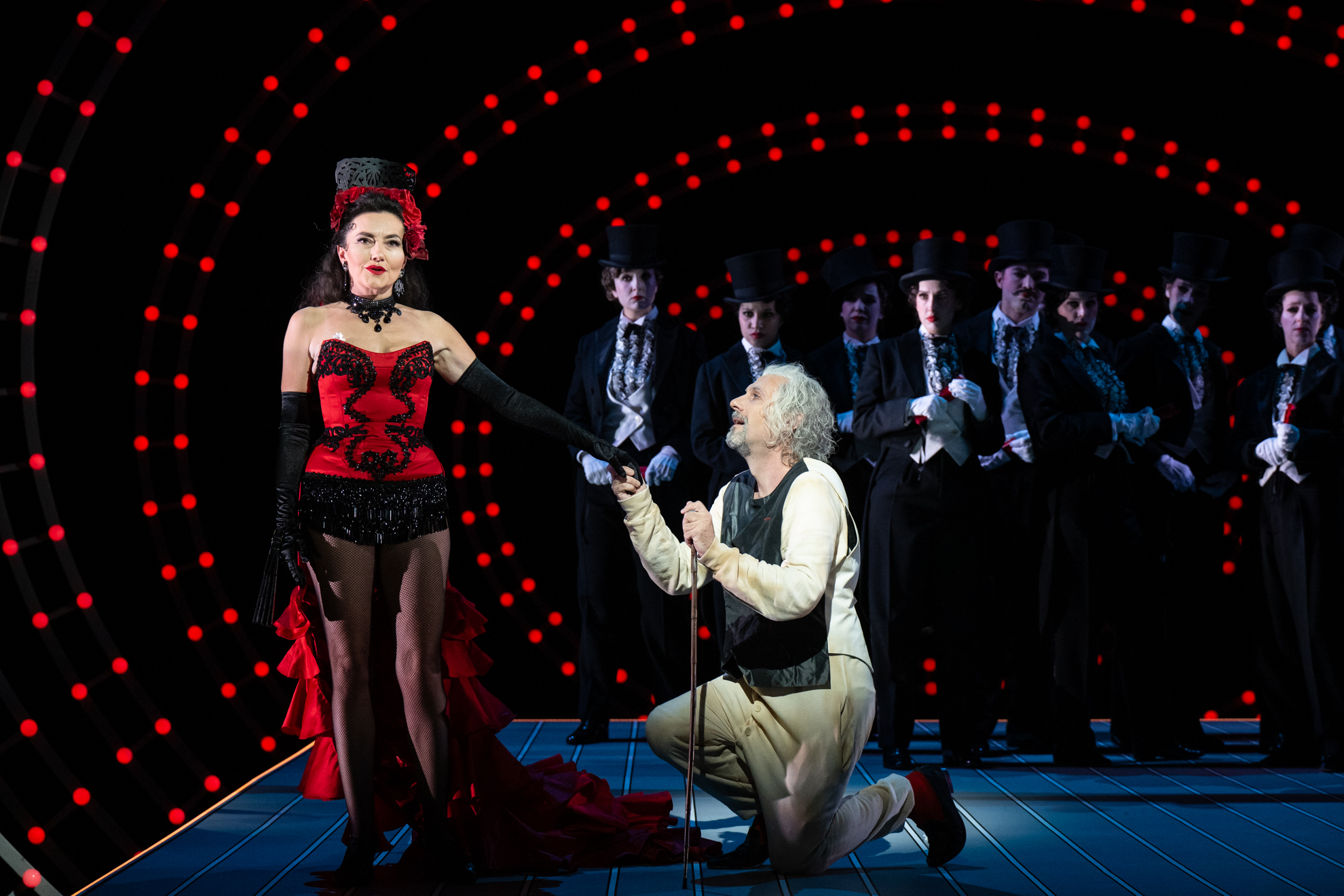
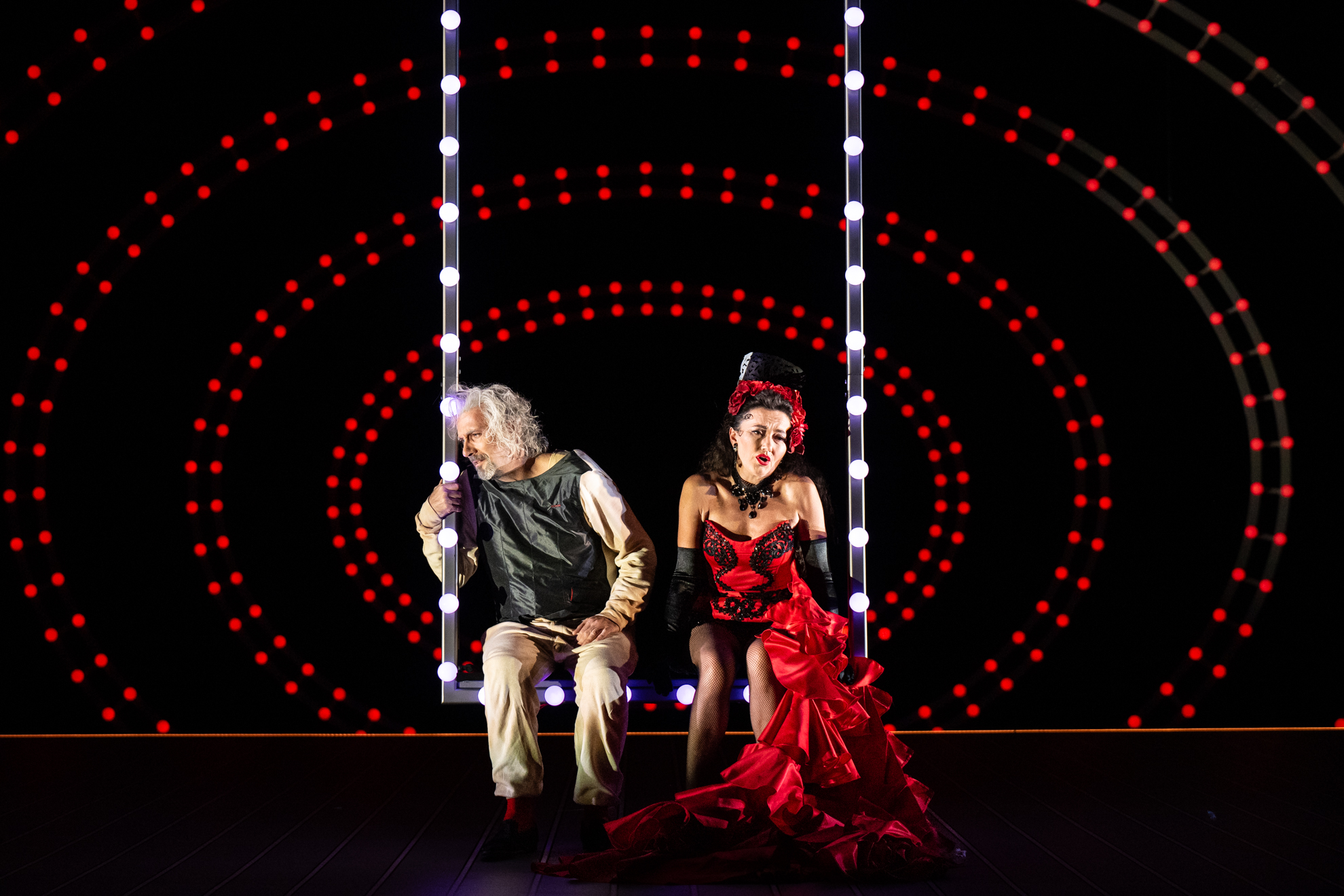
Following on from the resounding success of William Tell, this new production by Bruno Ravella will take us straight into the hero’s dreams and ideals, playing opposite Dulcinea portrayed as a cabaret star, with Laurent Campellone back at the helm of the Lausanne Chamber Orchestra (OCL).
First performance February 24, 1910 at the Opéra de Monte-Carlo
Éditions Alphonse Leduc/Heugel/Hamelle
Orchestre de Chambre de Lausanne
Opéra de Lausanne Choir
Choir Conductor Alessandro Zuppardo
”Presented for the first time and running until 12 October at the Lausanne Opera House, this heroic comedy is enriched with touching humanity thanks to Bruno Ravella’s vision.”
24 Heures, October 8, 2025
“Jules Massenet’s last opera is transported into a world of enchantment and disenchanted celebration by director Bruno Ravella at the Lausanne Opera. A work with a unique tone that touches the audience with its sincerity.”
Le Temps, October 7, 2025
“A little-known work that is sublimated here by both Bruno Ravella’s staging and the excellent vocal cast, including the Lausanne Opera Choir (…) The return of Jules Massenet’s moving, refined, and accessible music to Lausanne is thus a complete success and was warmly applauded on Sunday evening at the premiere.”
RTS, October 7, 2025
“A very beautiful opera. Magnificently performed in Lausanne. We would like to see this production revived and taken from theater to theater…”
Forum Opéra, October 7, 2025
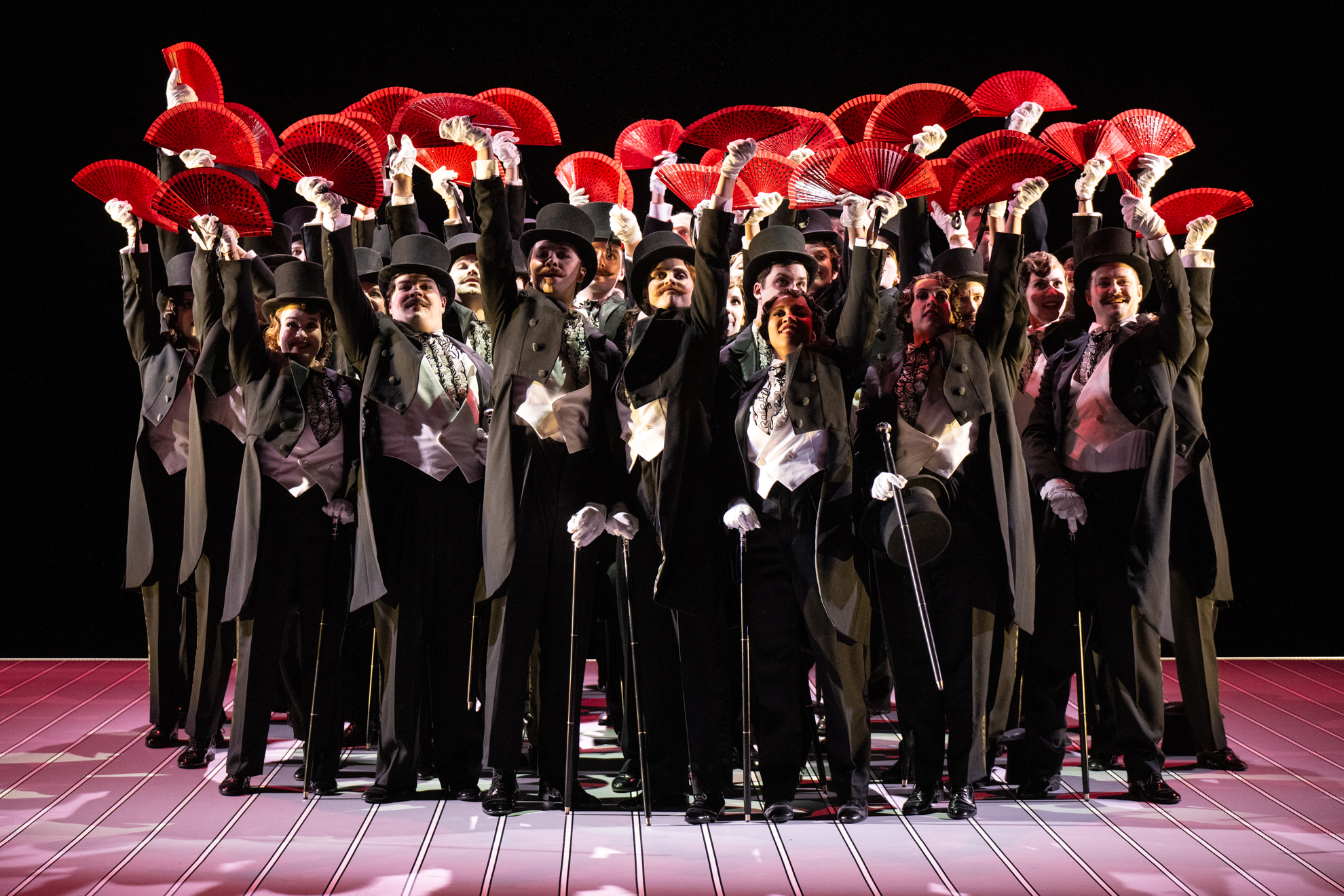
“All in black, white, and red, the show is beautiful and effective.”
ConcertClassic, October 6, 2025
“In Bruno Ravella’s poetic production, victory for Nicolas Courjal, Stéphanie d’Oustrac and Marc Barrard in the three leading roles! As well as for Laurent Campellone, conducting the Lausanne Chamber Orchestra in fine form.”
Diapason, October 8, 2025
“With Jules Massenet’s Don Quichotte playing to a packed house, the opening of the new season at the Lausanne Opera confirms the good taste of its new director, Claude Cortese, in his approach of presenting works never before performed in Lausanne.”
ResMusica, October 8, 2025

Après des études de musique et de philosophie, Laurent Campellone remporte en 2001 le 1er prix du concours international des jeunes chefs d’orchestre de la Communauté européenne. Nommé directeur musical de l’Opéra et de l’Orchestre symphonique de Saint-Etienne en 2004, il y mène pendant plus de dix ans une politique de redécouverte du répertoire lyrique français du XIXe siècle, dirigeant des œuvres rares de Massenet (Sapho, Le Jongleur de Notre-Dame, Ariane, Le Mage), Gounod (La Reine de Saba, Polyeucte), Lalo (Le Roi d’Ys), Saint-Saëns (Les Barbares). Il est invité à diriger le répertoire romantique français, l’opéra-comique mais aussi le grand répertoire lyrique par le Bolchoï, la Deutsche Oper de Berlin, les opéras de Marseille, Toulon, Nantes, Angers, Bordeaux, Bogotá, Madison, les festivals Berlioz et de La Chaise-Dieu. Il se produit également en concert avec l’Orchestre symphonique de la Radiodiffusion bavaroise, l’Orchestre de chambre de Paris, les Orchestres nationaux du Capitole de Toulouse et des Pays de la Loire, les Orchestres philharmoniques de Nice, de Radio France, de Malaisie. Son enregistrement « Offenbach colorature » est Diapason d’or de l’année 2019, a obtenu un Diamant d’Opéra Magazine, un Choc de Classica et figure dans la sélection du magazine Gramophone. Depuis septembre 2020, Laurent Campellone est le directeur général de l’Opéra de Tours, où il a notamment recréé La Caravane du Caire de Grétry, en collaboration avec l’Opéra Royal de Versailles. À l’Opéra Comique, il a dirigé Les Mousquetaires au Couvent, Fantasio et Madame Favart.
À l’Opéra de Lausanne : Werther (2022).
Nicolas Courjal a étudié avec Jane Berbié et poursuit aujourd’hui sa formation avec Didier Laclau-Barrère. Après un passage par les troupes de l’Opéra-Comique et de Wiesbaden, il se produit à l’Opera Bastille, au Châtelet et dans les principaux théâtres français, à Venise, Macerata, Séville, Covent Garden, au Japon, aux Chorégies d’Orange, à Genève, Monte-Carlo, Lausanne, Moscou, La Scala de Milan et l’Opéra royal de Wallonie. En récital, on peut l’entendre avec Antoine Palloc. Comme soliste, il partage la scène avec les grands orchestres français, l’Orchestre Tchaïkovski de Moscou, l’Académie Sainte-Cécile de Rome, le Philharmonia et l’Orchestre symphonique de Londres, sous la direction de chefs tels qu’Alain Altinoglu, Serge Baudo, James Conlon, Myung-Whun Chung, Christoph von Dohnányi, Christoph Eschenbach, Michel Plasson, Antonio Pappano, Pascal Rophée, Leonard Slatkin, John Eliott Gardiner, François-Xavier Roth, Raphaël Pichon, Esa-Pekka Salonen, Marc Minkowski, Mikko Franck, John Nelson ou Michael Tilson-Thomas. À l’Opéra de Paris, il s’illustre dernièrement dans Alcina. Du côté de ses engagements, Nicolas Courjal est à l’affiche à Marseille dans plusieurs ouvrages, au Théâtre des Champs-Élysées, à La Monnaie de Bruxelles, à Monte-Carlo, Toulouse, Rouen, Strasbourg, Oslo et au Festival d’Aix-en-Provence, dans les grand rôles de Verdi, Berlioz, Gounod, Massenet, Wagner, Meyerbeer, Boito, ou encore Donizetti.
À l’Opéra de Lausanne : La sonnambula (2018) et Les contes d’Hoffmann (2019).
Le ténor franco-suisse Maxence Billiemaz étudie le chant à la Haute école de musique de Genève. Il apparaît sur scène dans des rôles comme. Nemorino (L’elisir d’amore) ou Bastien (Bastien et Bastienne). Il participe aux enregistrements d’Ascanio de Saint-Saëns au Grand Théâtre de Genève et de La Sorcière d’Erlanger au Victoria Hall. Il chante en soliste dans des ensembles tels que la Cappella Mediterranea, l’Ensemble Vocal de Lausanne, le Chœur de Chambre de Na- mur, Orlando ou Les Talens Lyriques. Il se produit aussi dans des comédies musicales comme Kiss Me, Kate de Cole Porter (où il est Bill Calhoun) ou Cabaret de John Kander (en Clifford Bradshaw).
À l’Opéra de Lausanne : Les Chevaliers de la Table ronde (Route Lyrique 2019), Dédé (Route Lyrique 2021), Werther (2022), My Fair Lady (2022), Cendrillon (2023) et Die Zauberflöte (2024).
Le ténor français Jean Miannay étudie le chant à Lausanne auprès de Brigitte Balleys, ainsi qu’à Berlin dans la classe de Scot Weir. Il se distingue dès 2018 lors du 4e Concours Raymond Duffaut, où il remporte le grand prix. Suite à cela il décroche différentes distinctions au Concours de Clermont-Ferrand, au Concours Kattenburg, ainsi qu’au 2e Concours international de musique de Vienne. Sa voix de jeune lyrique l’amène à interpréter des rôles comme Tamino (Die Zauberflöte), Ferrando (Così fan tutte), Beppe (Pagliacci), Nemorino (L’elisir d’amore), Alfredo (La traviata), Vincent (Mireille), ou encore Des Grieux (Manon). En 2018, il fait ses premiers pas à l’Opéra de Lausanne, où il se produit régulièrement par la suite. Il chante en France aux opéras de Massy, d’Avignon et de Clermont-Ferrand, ainsi qu’aux Chorégies d’Orange pour la quatrième année consécutive. En 2022, il fait ses débuts en Allemagne au Theater Magdeburg dans une production d’Orpheus in der Unterwelt. De nature curieuse, il s’épanouit également dans la création contemporaine ainsi qu’en musique de chambre. Il chante notamment Les Illuminations et la Sérénade pour cor et ténor de Benjamin Britten, le Journal d’un disparu de Janáček et la Dichterliebe de Schumann. Il est attendu cet été en Remendado (Carmen) aux Chorégies d’Orange et intègre l’Opéra Studio du Rhin pour la saison 2023/24.
À l’Opéra de Lausanne: Cendrillon de Pauline Viardot (2018), Les Contes d’Hoffmann (2019), Rinaldo (2020), L’Auberge du Cheval-Blanc (2021), Semiramide, Eugène Onéguine et L’elisir d’amore (2022).
Born in Lausanne, Romain Favre started playing music with the violin at the age of six. He obtained his bachelor’s degree in 2019 at the Haute école de musique de Lausanne in the class of Gyula Stuller. In parallel to his activity as a violinist, his passion for vocal art pushed him to study opera singing. In 2020, he was admitted to the Master of Singing program in Brigitte Balleys’ class. During his studies, he also received advice from Véronique Gens, Sandrine Piau and Edwin Crossley-Mercer, as well as from director Christof Loy and conductor John Fiore. As a member of the Opéra de Lausanne Choir and the Ensemble Vocal de Lausanne, he works regularly with renowned conductors such as John Nelson, Diego Fasolis, Daniel Reuss and Christophe Rousset. He performs as a soloist at the Rosey Concert Hall and at the Grange au Lac in Evian under the batons of Pieter-Jelle de Boer and Kaspar Zehnder. In November 2023, he will play Fiorello in Il barbiere di Siviglia at the Opéra du Rhône.
Pier-Yves Têtu studied singing with Paul Guigue at the conservatories of Grenoble and Nevers, as well as with Vivianne Zlomke-Dallinges, disciple of Rudolf Knoll, in Geneva. He also studied harmony and counterpoint with François Lusignan, in parallel with classical accordion studies at the André Thépaz Institute in Chambéry. In 2010, he joined the choirs of the Lausanne Opera and the Avenches Opera Festival. Regularly solicited as a soloist or chorister in various oratorio concerts in the Rhône-Alpes region and in Switzerland, he sings under the direction of Michel Corboz, Celso Antunes, Laurent Touche, Emmanuel Krivine, David Reiland, Arie van Beek, Philippe Bérand and Jesús López Cobos. He interprets Menelaus in La belle Hélène, Beppe in Rita ou le mari battu, a brother of Anna in The Seven Deadly Sins by Kurt Weill.
At the Opéra de Lausanne: Un ballo in maschera (2010), Les mousquetaires au couvent (2013), Die lustige Wittwe (2014), La Traviata (2015), My fair Lady (2015), La fille du régiment (2016), Lucia di Lammermoor (2017) and La belle Hélène (2019).
Born in Lebanon, Mohamed pursued his musical studies in Switzerland at the Geneva and Lausanne music schools with Marcin Habela and Stephan MacLeod. He made his debut at the Lausanne Opera as Ramirez in La Belle de Cadiz by Francis Lopez. Among the roles he has played on stage: Count Almaviva in Mozart’s Le nozze di Figaro, Belcore in Donizetti’s L’elisir d’amore as well as various roles in contemporary opera creations.
At the Opéra de Lausanne: La Belle de Cadix (2016), La bohème (2017), Les Contes d’Hoffmann (2019), Doña Francisquita (2020) and Davel (2023)