- Discover the opera
- Ticketing
- Pratical infos
- Cultural outreach
New collaboration | Le Cercle littéraireInformation
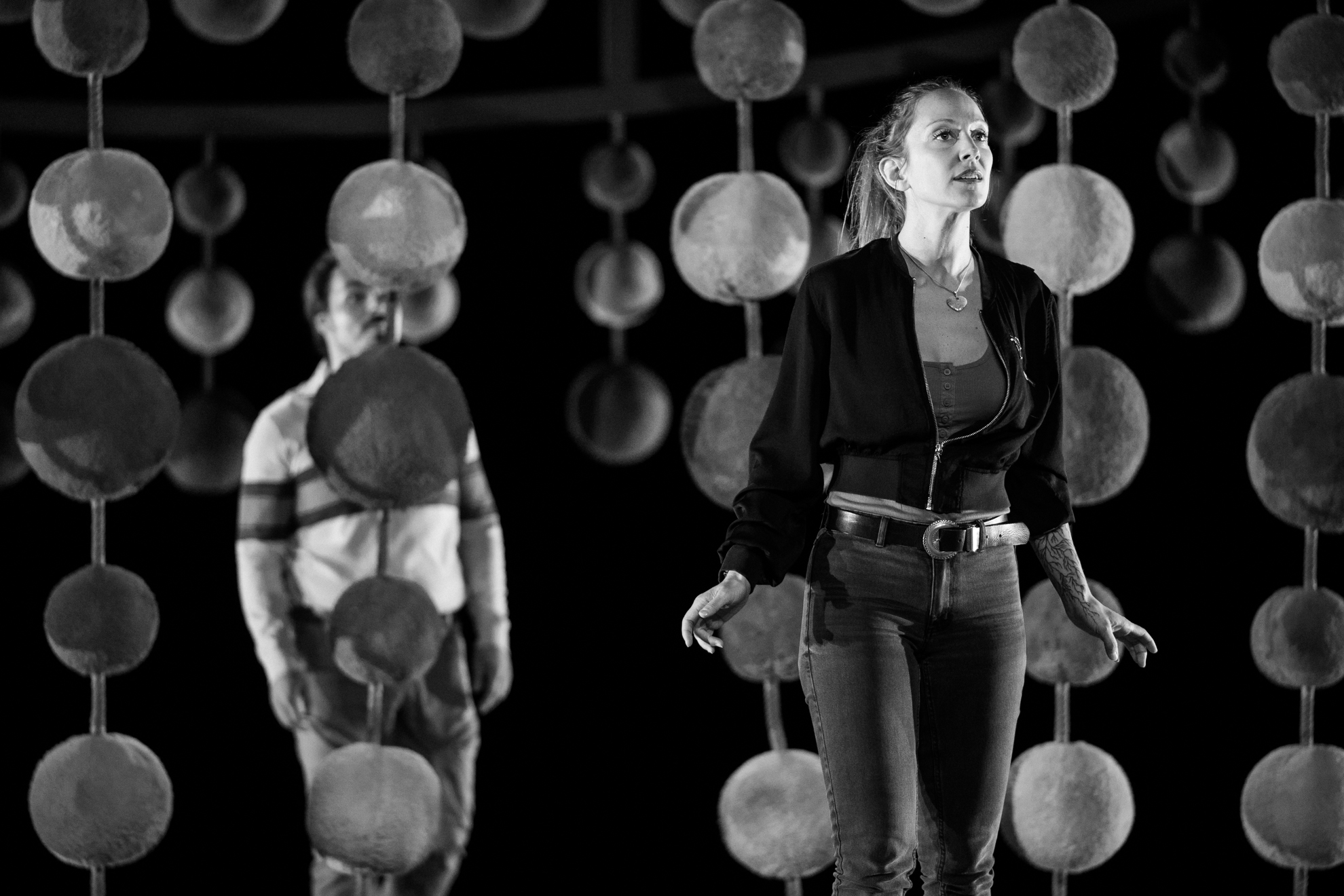
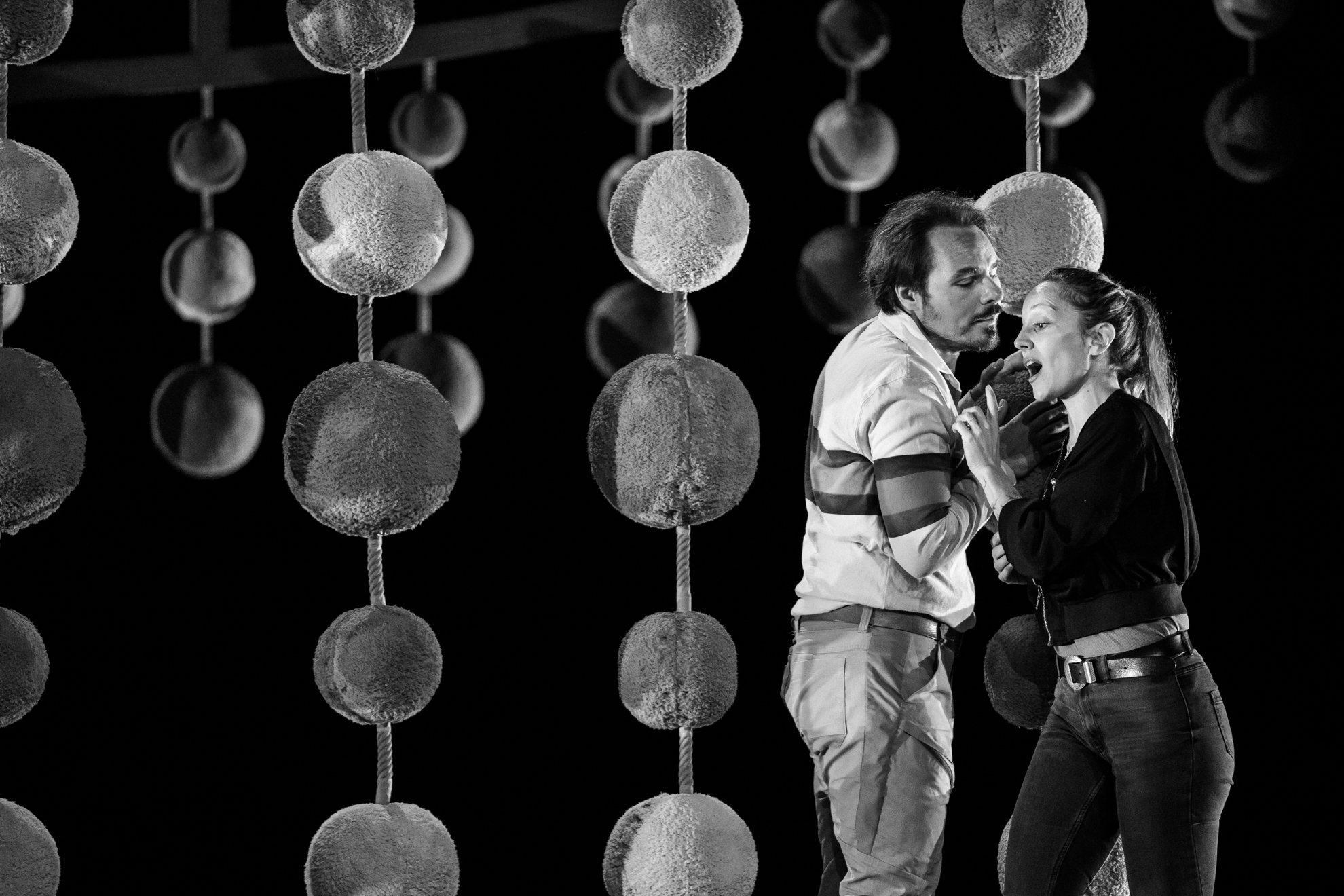
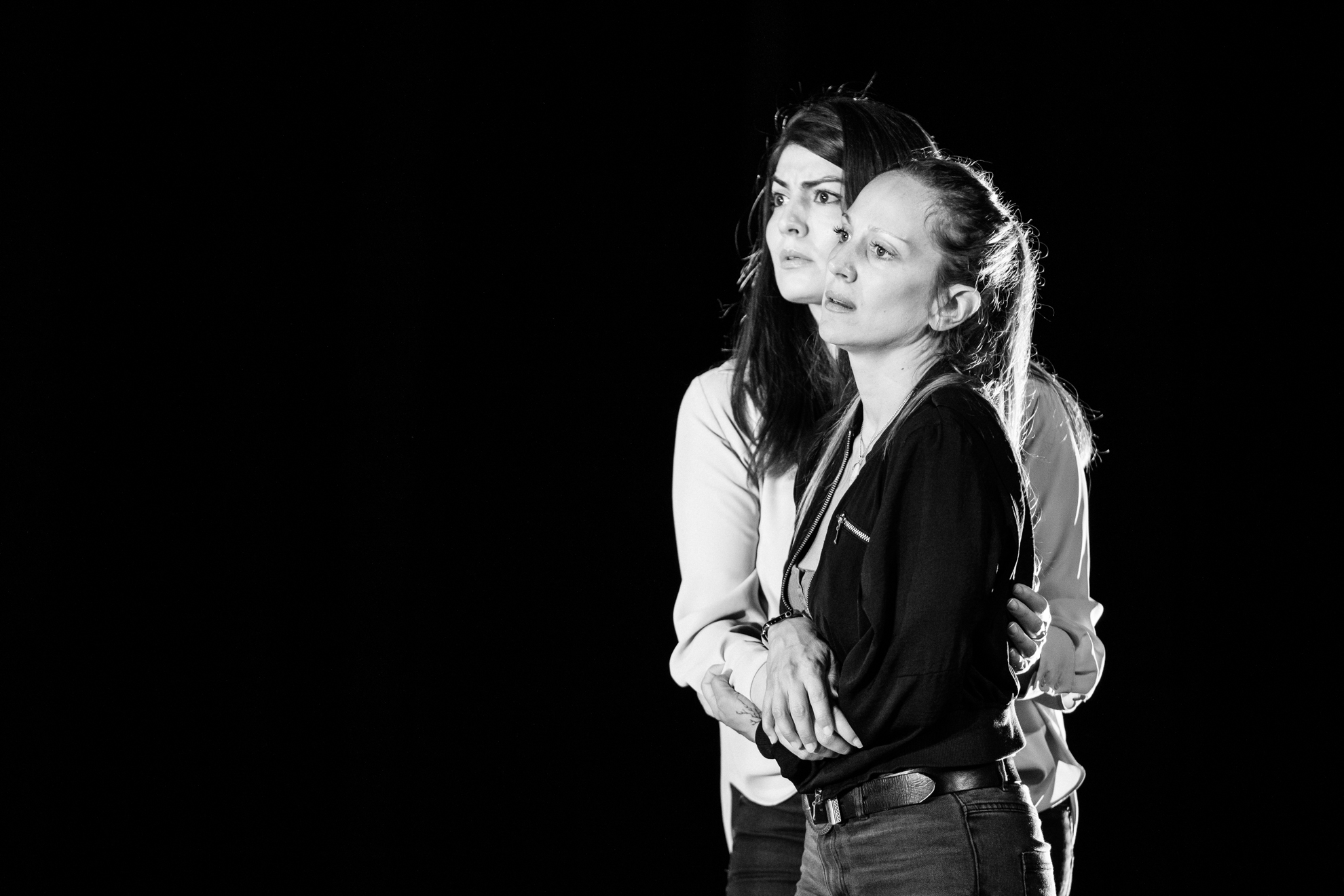
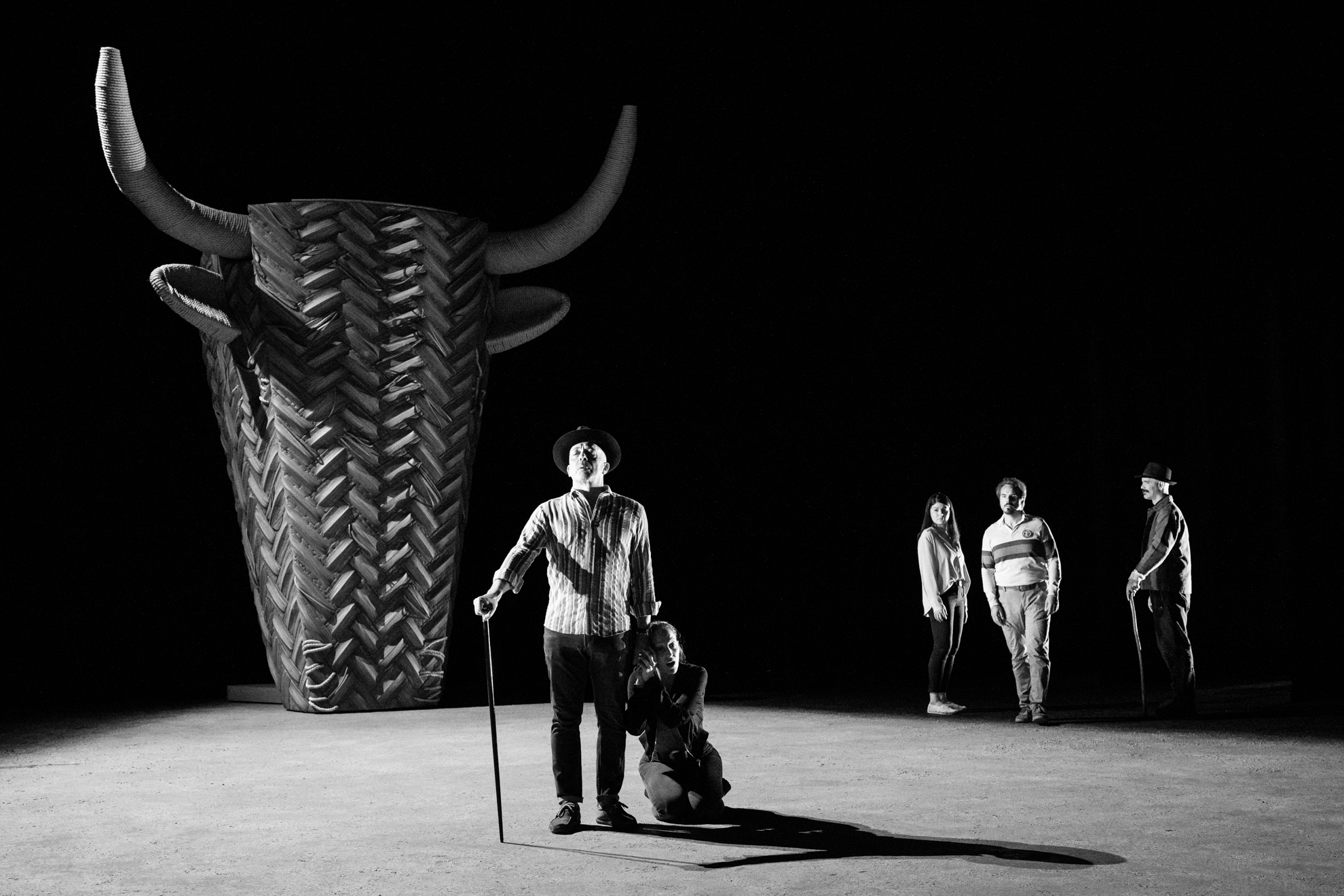
For his twelve-canto epic poem Mirèio, into which he poured the full measure of his poetic talent and his passion for his native Provence, Frédéric Mistral was awarded the 1904 Nobel Prize in Literature. Through his Franco-Provençal writing, the impossible love between Mireille, the daughter of wealthy farmers, and Vincent, the son of a poor basket-maker, unfolds as a Shakespearean drama beneath the southern sun. Captivated by the narrative, Charles Gounod traveled to the region and composed on the spot where the Mediterranean landscape inspired him to create a radiant and moving adaptation. His opera Mireille, which premiered at the Théâtre-Lyrique de Paris in 1864, shimmers through its luminous orchestration evoking sparkling landscapes brimming with warmth and passion.
While this surprising lyrical romance is set under the sacred patronage of Saintes-Maries-de-la-Mer, it is also infused with dark romanticism in the “Valley of Hell” scene: specters surge from the Rhône and plunge the jealous Ourrias into its depths. Nonetheless the opera’s charm lies above all in its endearing heroine, much like the Marguerites and Juliettes we also owe to Gounod, along with the beauty of the arias imbued with the composer’s cherished true feelings and the delightful Occitan local color that he so skillfully translated into music.
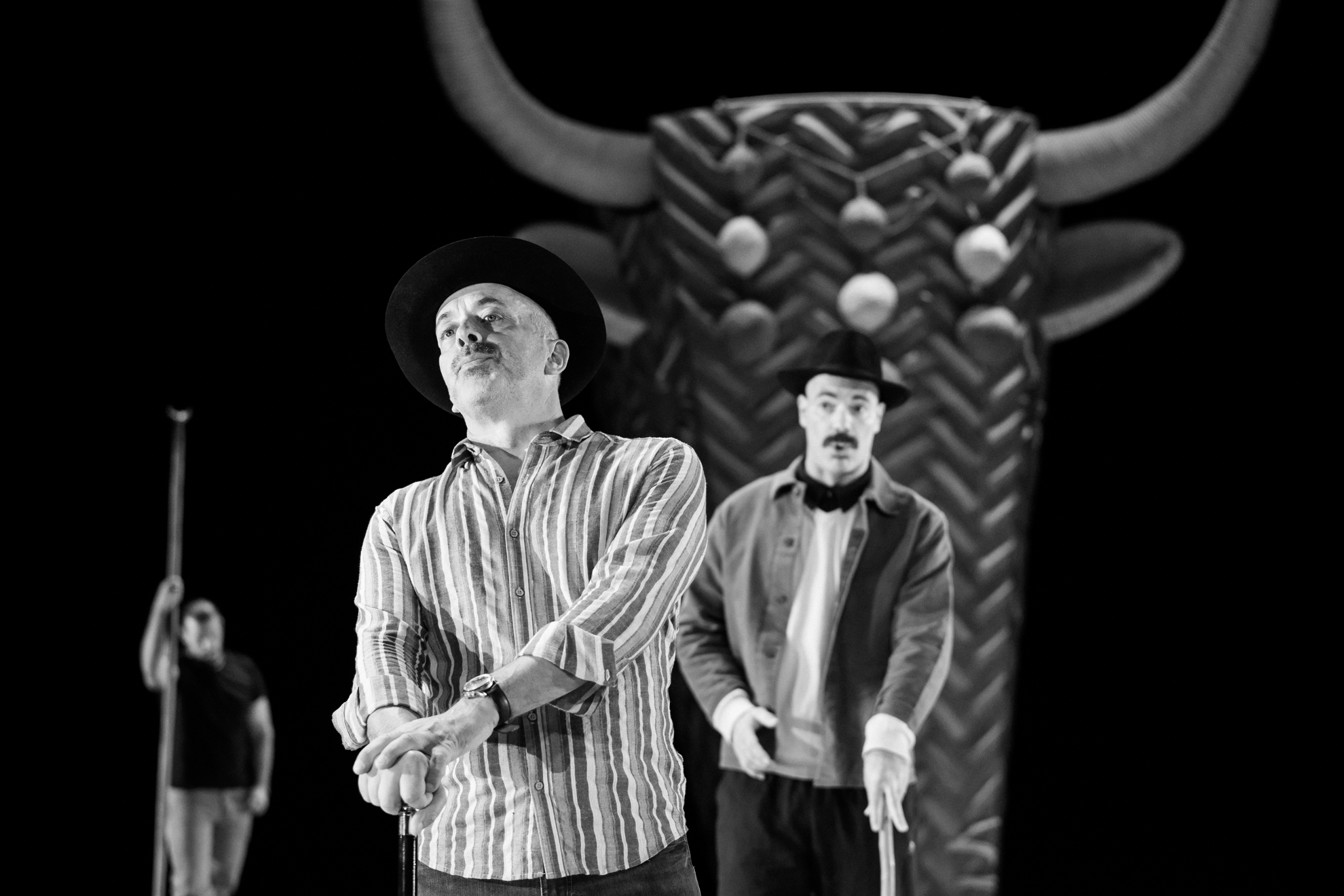
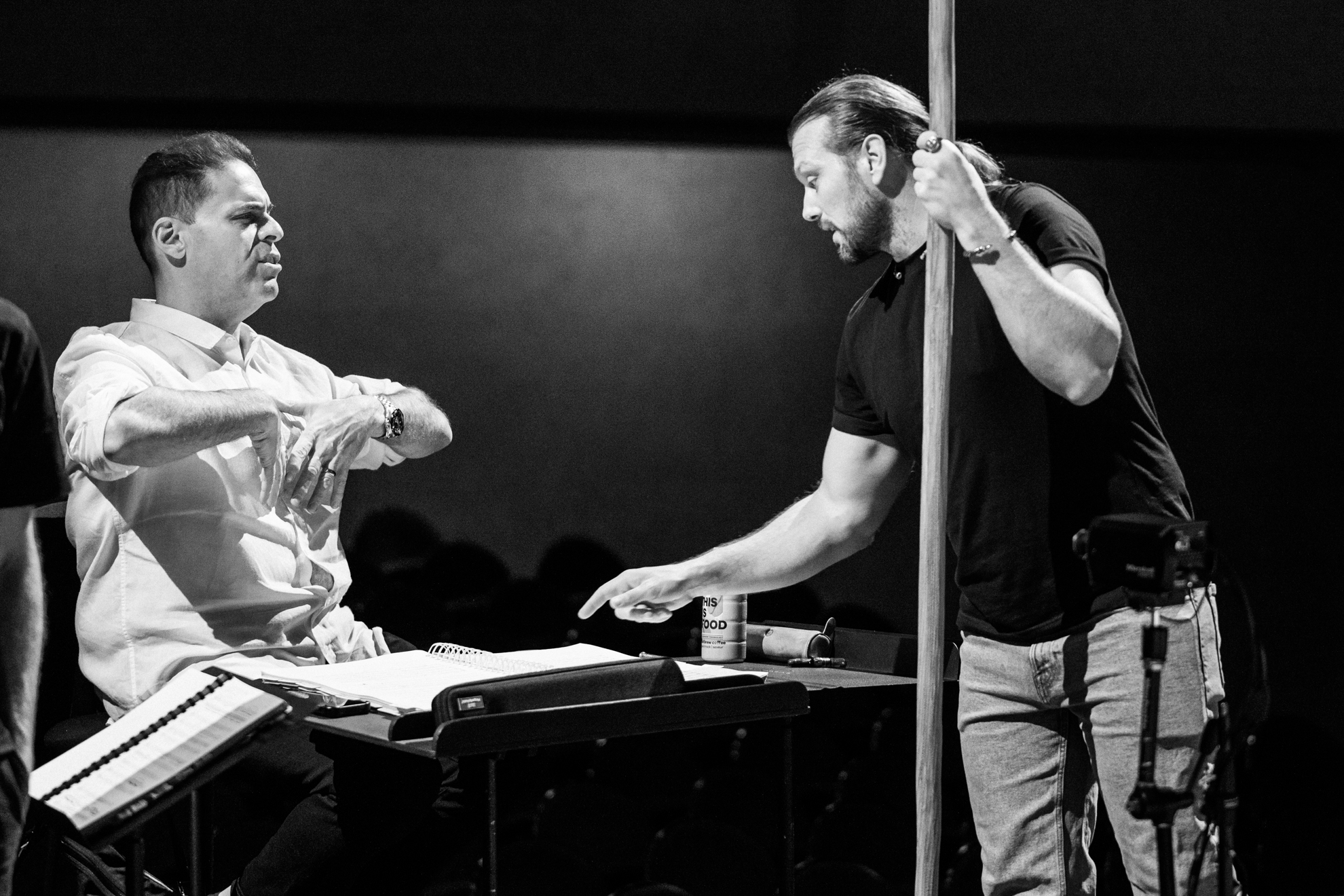
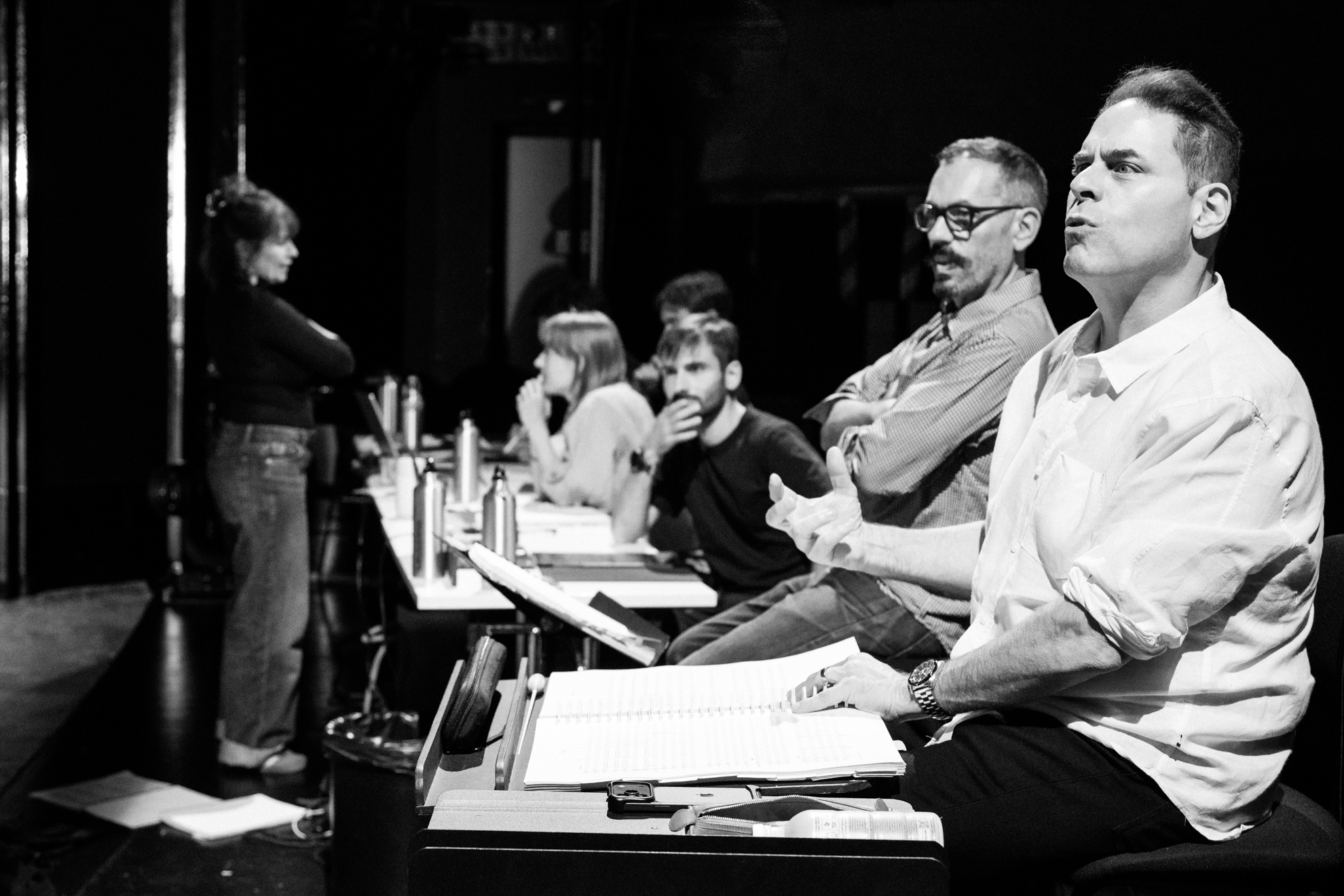
For his third season opener (William Tell, Don Quixote), Bruno Ravella will present his poignant interpretation of this work inspired by this Provençal heritage. The Orchestre de Chambre de Lausanne will be conducted by Jean-Marie Zeitouni, a leading expert in 19th-century French music, whose work audiences were able to enjoy in Carmen, staged in May 2025.
Premiere on March 19, 1864, at the Théâtre-Lyrique in Paris
Mario Bois / Artchipel Editions
For the first time at the Opéra de Lausanne.
After completing her studies at the Conservatoire National de Paris, Vannina Santoni made her debut in the role of Donna Anna (Don Giovanni) in Italy and in Versailles. She then premiered as Patricia Baer in Les pigeons d’argile by Hurel at the Théâtre du Capitole, and sang Suor Angelica and Lauretta in Il Trittico by Puccini, Donna Anna at the Oper Köln and Juliet (Roméo et Juliette) in Hong Kong. She successfully took on the title-role in Manon at the Opéra de Monte-Carlo, and more recently sang Princess Saamcheddine (Mârouf) in Bordeaux, Agnès (La nonne sanglante) at the Opéra Comique and Violetta (La Traviata) at the Théâtre des Champs-Elysées, a performance which was praised by both critics and audience. Her recent commitments and projects include singing as Nanetta (Falstaff) at the Opéra de Monte-Carlo, as Juliet at the Calouste Gulbenkian Foundation in Lisbon and as Pamina (Die Zauberflöte), her first time in this role, at the Opéra de Paris. Among her numerous other projects are the Countess (Le nozze di Figaro) at the Théâtre des Champs-Elysées and Adina (L’elisir d’amore) at the Théâtre du Capitole.
For the first time at the Opéra de Lausanne.
Géraldine Chauvet came from the Jeunes Voix du Rhin to make her international debut in 2009 at the Arena di Verona in the role of Carmen (F. Zeffirelli), conducted by Plácido Domingo, who invited her to sing the final Carmen-Don José duet with him at the Gala Domingo in Tokyo. She was applauded in New York at the Avery Fisher Hall as Adriano (Rienzi), then Sesto (La clemenza di Tito) at the Metropolitan Opera. Her broad repertoire includes Adalgisa (Norma), Rosina (Il barbiere di Siviglia), Carmen (title-role), Charlotte (Werther), Mère Marie de l’Incarnation (Dialogues of the Carmelites), Kostelnicka (Jenufa), Gertrude (Hamlet), Laura (La Gioconda), Elvira and Zerlina (Don Giovanni) and Santuzza (Cavalleria rusticana), and world premieres in Il Postino in Vienna with Plácido Domingo, as well as Charlotte Salomon by M. A. Dalbavie in Salzburg in a performance directed by Luc Bondy. She recently sang Nicklausse (Les contes d’Hoffmann) at the Metropolitan Opera, and Carmen and Nabucco at the Arena di Verona. Her future plans involve Nabucco, Carmen and Don Giovanni, and a gala concert in Verona with Plácido Domingo.
Franco-Swiss tenor Maxence Billiemaz studies singing at the Haute école de musique in Geneva. He has appeared on stage in roles such as. Nemorino (L’elisir d’amore) and Bastien (Bastien et Bastienne). He took part in recordings of Saint-Saëns’s Ascanio at the Grand Théâtre de Genève and Erlanger’s La Sorcière at Victoria Hall. He sings as soloist in ensembles such as Cappella Mediterranea, Ensemble Vocal de Lausanne, Chœur de Chambre de Na- mur, Orlando and Les Talens Lyriques. He also performs in musicals such as Cole Porter’s Kiss Me, Kate (as Bill Calhoun) and John Kander’s Cabaret (as Clifford Bradshaw).
At the Opéra de Lausanne: Les Chevaliers de la Table ronde (Route Lyrique 2019), Dédé (Route Lyrique 2021), Werther (2022), My Fair Lady (2022), Cendrillon (2023) and Die Zauberflöte (2024).
The daughter of a musician, Emma Delannoy soon discovered her love of opera singing. At the age of 15, she entered the Geneva Conservatory of Music in Juliette Galstian’s Musimax class. She then joined Hiroko Kawamichi’s singing class at the Haute école de musique de Lausanne, obtaining her bachelor’s degree in June 2020, and joined Jeanne-Michèle Charbonnet’s class, graduating with a master’s degree in concert performance in June 2022. In May 2022, she plays La Princesse in Le Chat botté, a creation by Étienne Crausaz and Jacques Doutaz in collaboration with Opéra des Champs. In July 2022, she was Poppea in L’incoronazione di Poppea at the Trentino Music Festival. Since September 2022, she has been a member of the Opéra de Lausanne Chorus, regularly leading its opera workshops. She was Oscar in Un ballo in maschera in January 2023 with Operami. In August 2023, she sings alongside Emiliano Gonzalez Toro and his ensemble I Gemelli at the Festival du Toûno. Alongside her musical career, Emma Delannoy also obtained a Bachelor of Arts degree in French and Musicology from the University of Geneva.
At the Opéra de Lausanne: L’Île de Tulipatan (Route Lyrique 2023) and Pauline Viardot’s Cendrillon (2023).