Show sponsored by

from the moment of its 1851 premiere at La Fenice in Venice. Before Il trovatore and La traviata, the first opus in his mature trilogy is a promise of emotion and great operatic moments.
Verdi was captivated by Victor Hugo’s play Le Roi s’amuse, which his librettist Francesco Maria Piave transformed into Rigoletto to protect himself from censorship by the Venetian representatives of the Austrian monarchy.
The psychological complexity of the title role, at once an accomplice of his libertine master and himself a suffocating father, exalts the composer’s talent. In this tortured father who wants to save his daughter yet sends her to her death, he sees a character worthy of Shakespeare. Closely attuned to universal passions, the maestro transcends traditional Italian opera in serving the intense drama of this story of a curse. The gentle Gilda does not escape the predator, whose cruelty is matched only by his frivolity which bursts through his oft-hummed aria, “La donna è mobile“… By contrast, the purity of Gilda’s feelings (and her vocalizing skills!) along with Rigoletto’s fierce attachment to his daughter enrich the contrasts in the score, giving peak expression to the delights of bel canto and its unforgettable arias. Viva Verdi!
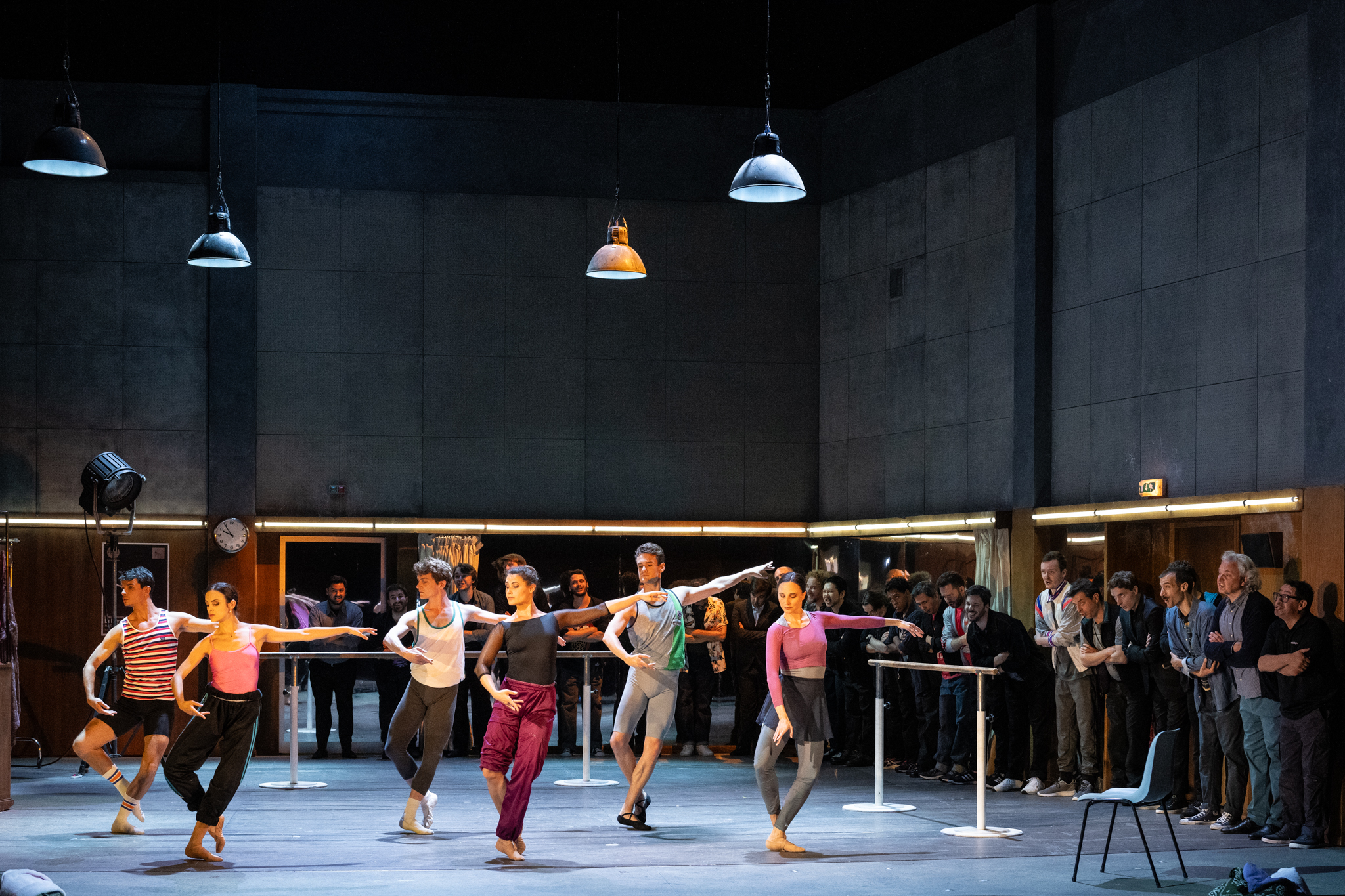
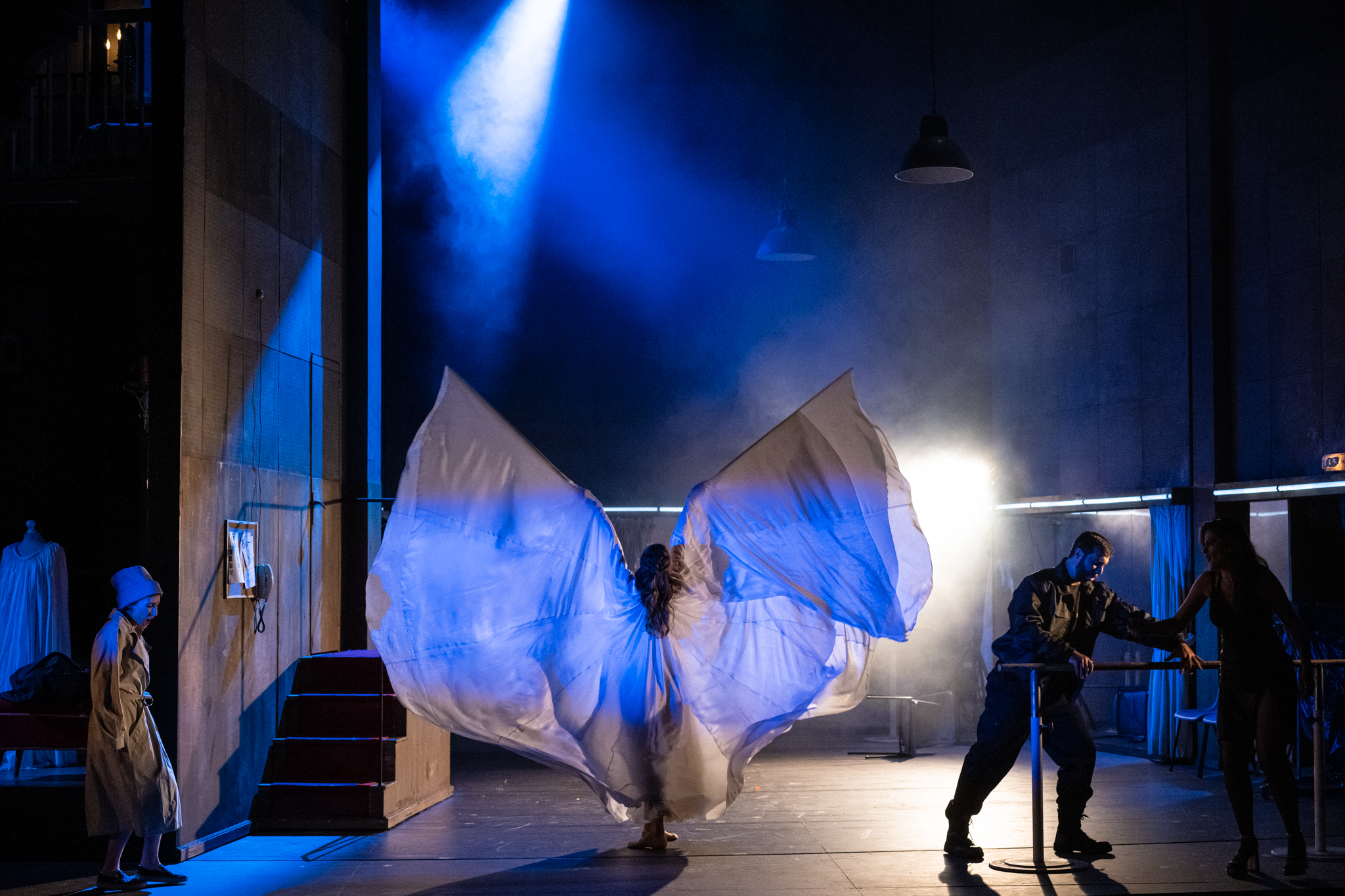
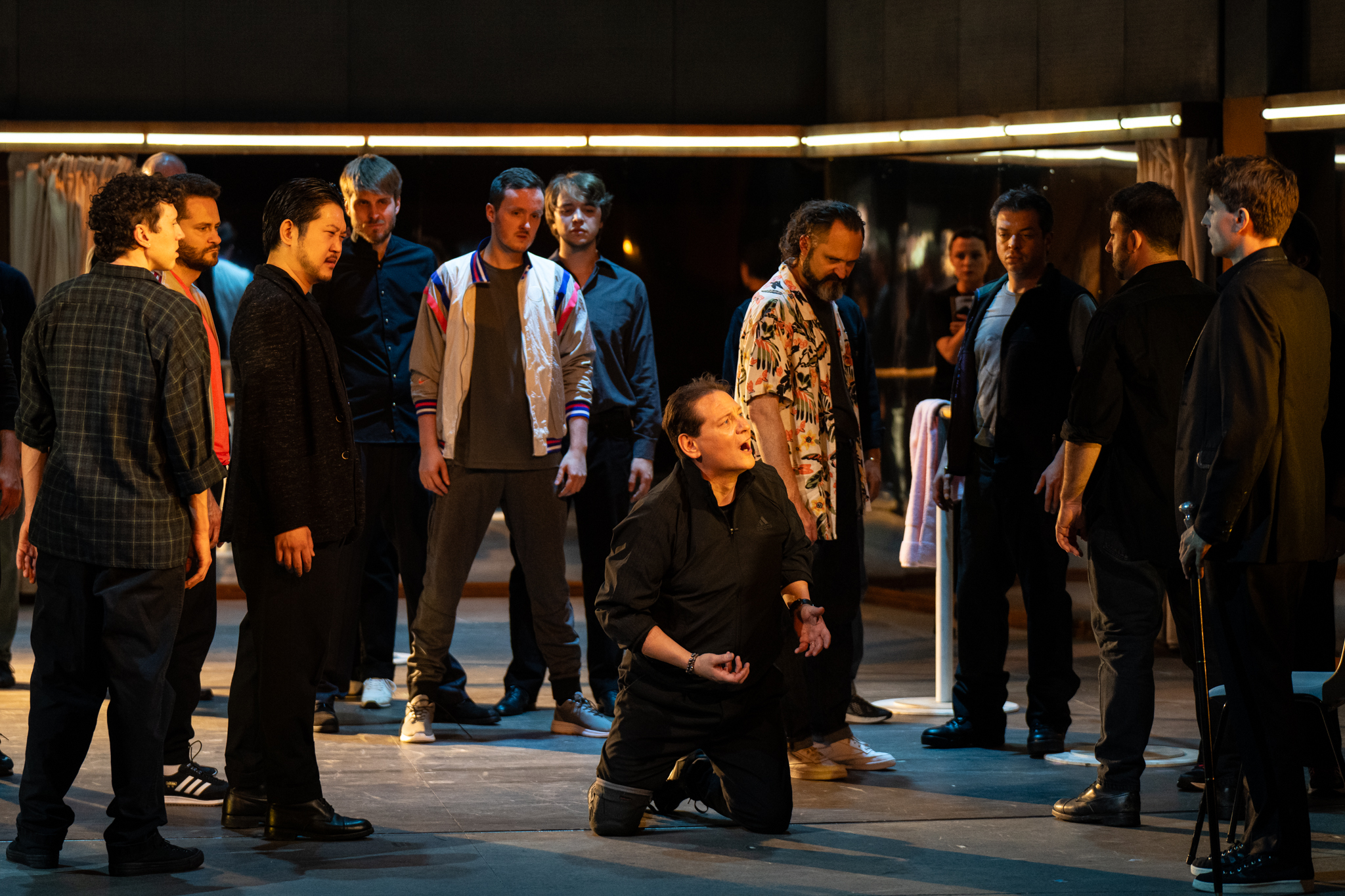
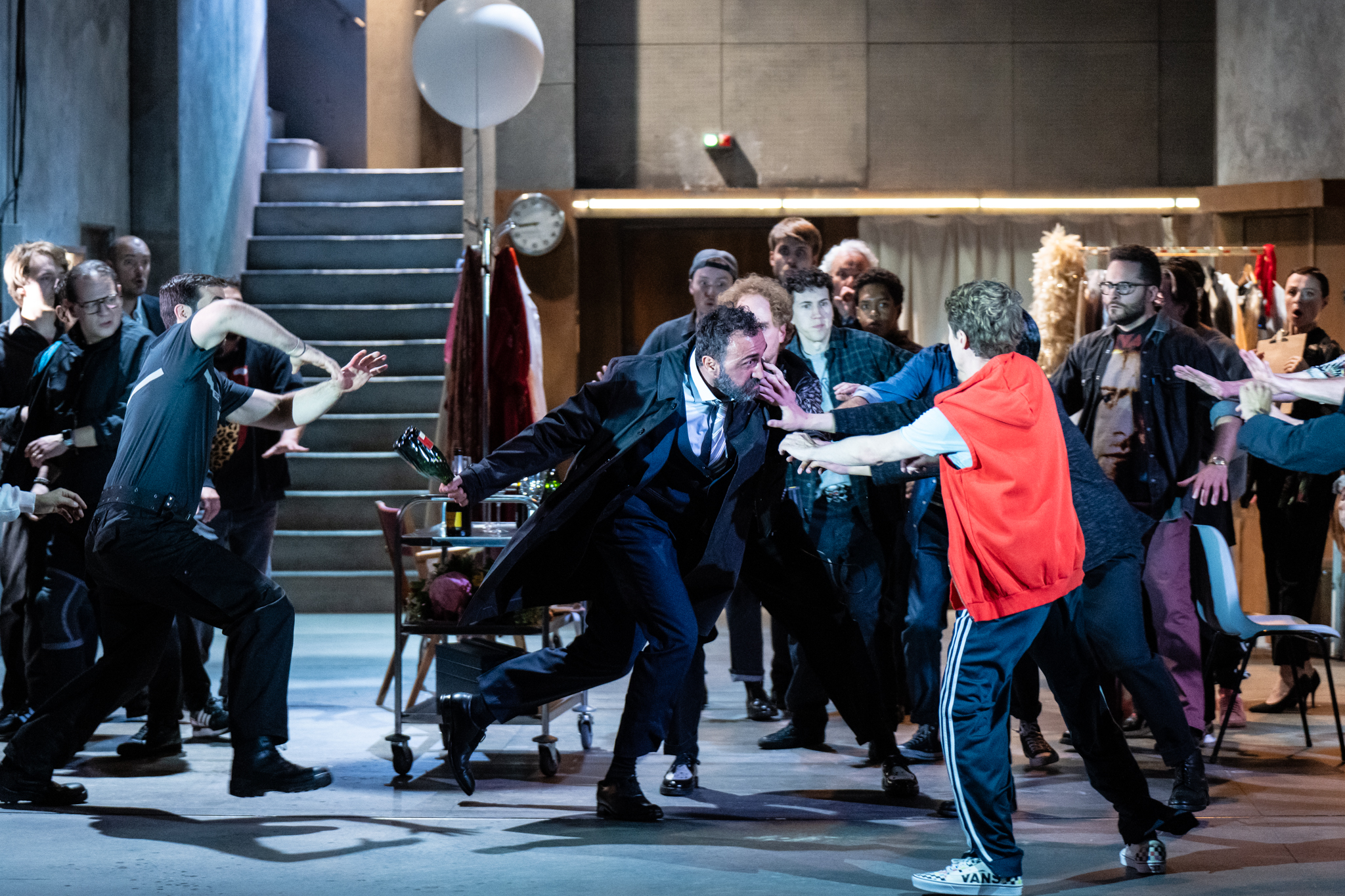
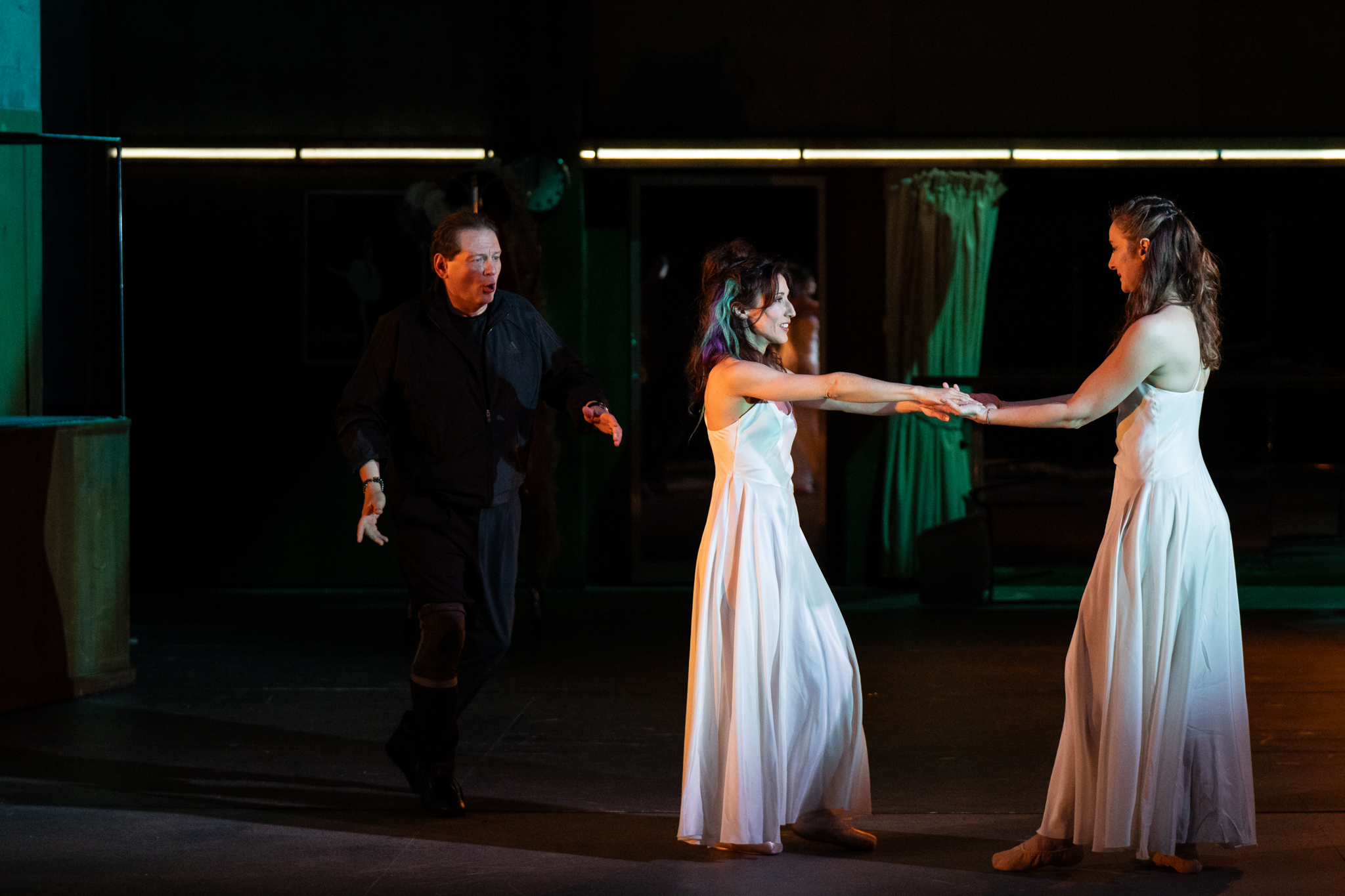
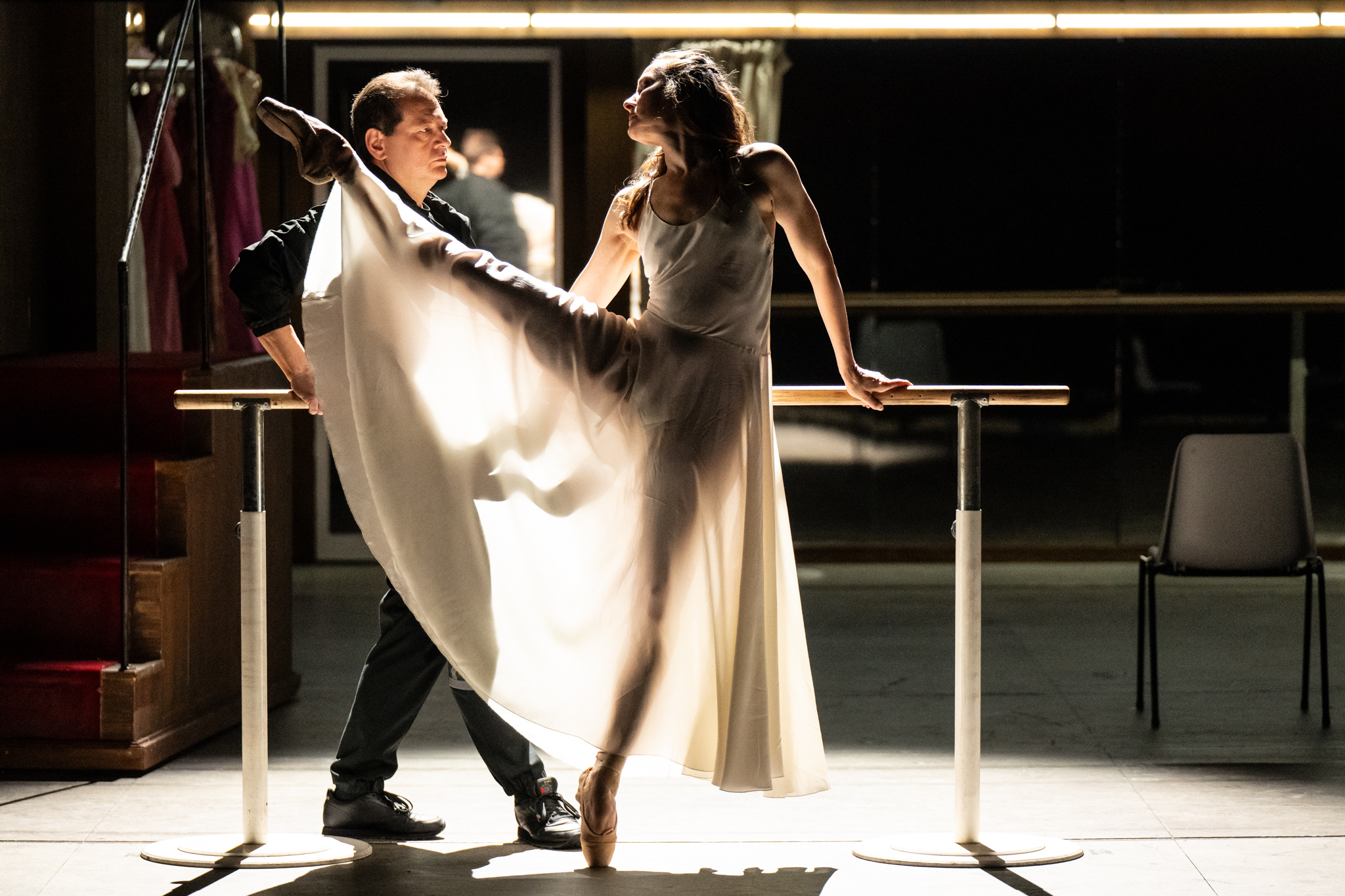
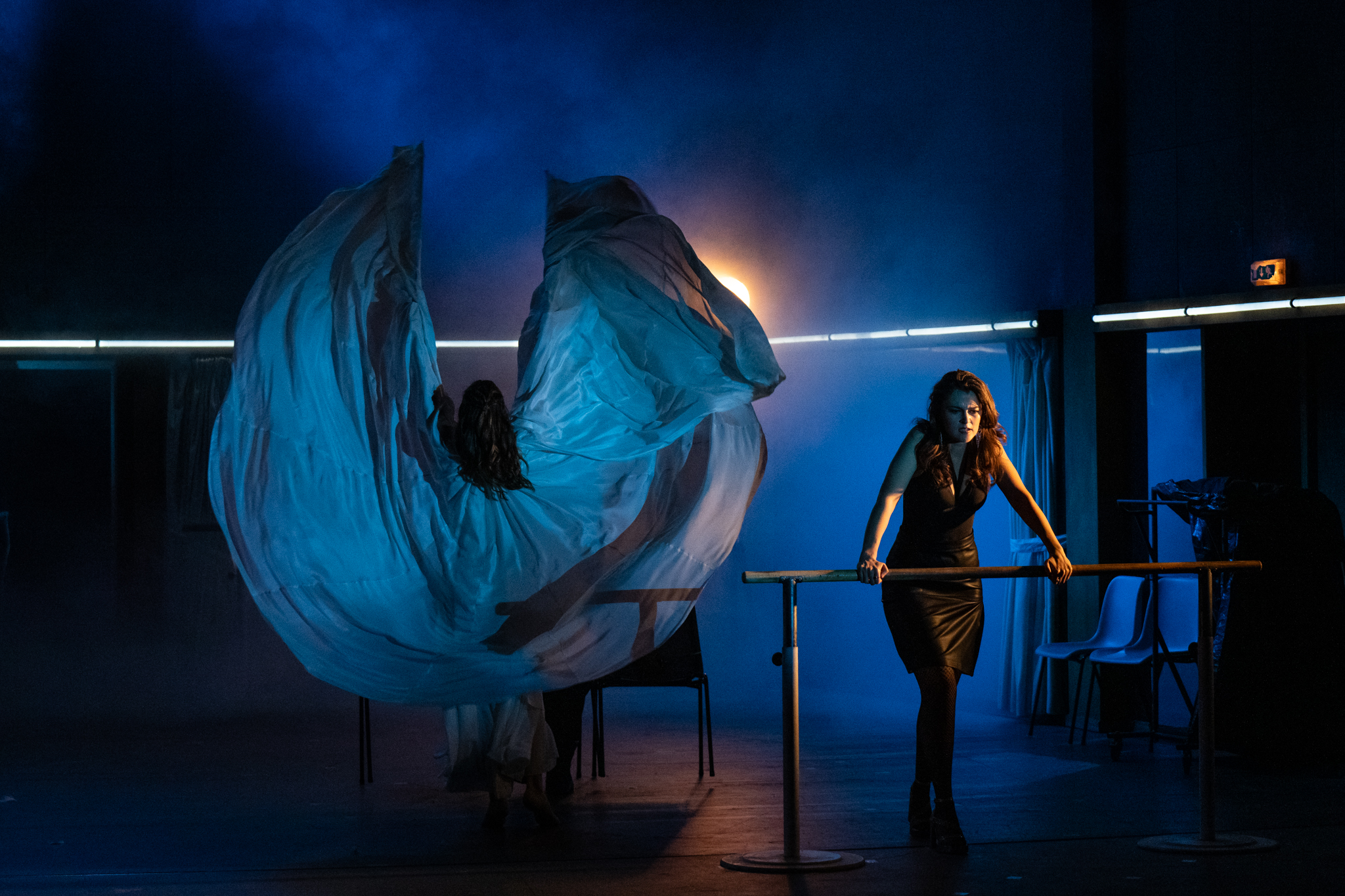
Returning to Lausanne after a 20-year absence, this thrilling masterpiece is presented here in Richard Brunel’s inventive and poetic staging, which moves the drama to the heart of a ballet company, thereby merging opera and dance. The Orchestre de Chambre de Lausanne will be conducted for the first time by Giulio Cilona.
First performance March 11, 1851 at Teatro La Fenice, Venice
Editions Casa Ricordi, Critical Edition by Martin Chusid.
Performance material by Casa Ricordi Srl. Milano, represented by G. Ricordi & Co. Bünhen- und Musik Verlag GmbH, Berlin
Orchestre de Chambre de Lausanne
Opéra de Lausanne Choir
Choir Director Anass Ismat

La soprano lausannoise Marie Lys s’est formée à la Haute école de musique de Lausanne puis au Royal College of Music de Londres. Lauréate des premiers prix au Concours d’opéra baroque Cesti (2018) et au Concours de belcanto Vincenzo Bellini (2017), elle collabore avec des chefs de renom tels que Diego Fasolis, Christophe Rousset, Fabio Biondi, Leonardo García Alarcón, Emmanuelle Haïm et Michel Corboz, et se produit avec des orchestres comme Europa Galante, Les Talens Lyriques, Sinfonia Varsovia, The English Concert, l’Orchestre de Chambre de Lausanne, les Cameristi della Scala et Les Musiciens du Prince-Monaco. Elle interprète les rôles de Ginevra (Ariodante) et d’Adelaide (Lotario) au Festival Hændel de Göttingen, Dorinda (Orlando) au Festival Castell de Peralada, Servilia (La clemenza di Tito), Yniold (Pelléas et Mélisande) et Clorinda (La Cenerentola) au Grand Théâtre de Genève, et tout récemment elle remplace au pied levé Cecilia Bartoli dans le rôle-titre d’Alcina de Hændel au Maggio Musicale Fiorentino. Toujours avec Biondi, elle chante Bellezza dans Il trionfo del tempo e del disinganno de Hændel à Grenade, ainsi que le rôle-titre dans Betly de Donizetti pour le Festival Chopin et son Europe à Varsovie. Elle apparaîtra prochainement dans Tamerlano de Vivaldi à la faveur d’une tournée italienne dirigée par Ottavio Dantone, ainsi que dans Thésée de Lully au Theater an der Wien, au Bozar de Bruxelles et au Théâtre des Champs-Élysées sous la baguette de Christophe Rousset. Marie a bénéficié à ses débuts du soutien du Pourcent culturel Migros et des fondations Leenaards, Dénéréaz, Colette Mosetti et Friedl Wald, Samling, Drake Calleja Trust et Josephine Baker Trust.
À l’Opéra de Lausanne : Orlando paladino (2017), La sonnambula (2018), Die Fledermaus (2018), Orphée et Eurydice (2019), Alcina (2022) et Candide (2022).
Anouk Molendijk, mezzo-soprano, is part of a new generation of artists who are inclined to question their practice and traditions in order to open them to new forms of expression. Passionate about 19th century poetry and contemporary theater, she obtained a master’s degree in modern French and comparative literature in Geneva in 2012. In June 2017, she obtained a master’s degree in vocal interpretation in Lausanne. She sang, among others, the roles of Jenny in Weill’s L’Opéra de Quat’sous (Théâtre du Galpon, 2013), the Child in Ravel’s L’Enfant et les sortilèges (Métropole, Lausanne, 2014), Mrs. Grose in The Turn of the Screw (Théâtre du Galpon), and Mrs. M. M. in The Witch of the Night (Théâtre du Galpon). Grose in Britten’s The Turn of the Screw (Lausanne, 2014), Anna I in Weill’s Die sieben Todsünden (Geneva), Erika Mann / Renée Schwarzenbach in Le Ruisseau noir by Guy-François Leuenberger and Elsa Rooke (Théâtre du Grütli, 2015) and more recently, Bianca in Britten’s The Rape of Lucretia with the Proteus Ensemble at the Théâtre du Grütli and Une compagne de l’Infante in Zemlinsky’s Le Nain at the Opéra de Lille with the Ensemble Ictus and at the Opéra de Rennes. In the contemporary repertoire, she performed the role of Die Dunkle Dame in Reimann’s Die Gespenstersonate with the Ensemble Contrechamps in May 2014, and then was invited to sing Auf die ruhige Nacht-Zeit by Klaus Huber. She is currently continuing her training with Malcolm Walker and Luisa Castellani.
At the Opéra de Lausanne: Cinderella (2018).